SUPPLEMENTS FOR MEN

 BEAUTY RANGE
 ENERGY METABOLISM
 HEART & BRAIN HEALTH
 SLIMMING RANGE
 SHAMPOO
 CONDITIONER
 NOURISHMENT
 OIL
OIL SERUM
SERUM



Understanding Age Spots: Causes and Characteristics


Understanding Age Spots: Causes and Characteristics, Age spots, sometimes referred to as liver spots or solar lentigines, are frequently seen on skin that has been exposed to the sun. The pigment that gives skin its colour, melanin, builds up in certain places to cause these imperfections. Age spots gradually appear because prolonged exposure to ultraviolet (UV) radiation causes the creation of melanin as a defence against sun damage. Genetic predispositions, hormonal fluctuations, ageing processes, and lifestyle choices like smoking and inadequate skincare can all worsen their growth.
Usually circular or oval in shape, these spots are hyperpigmented areas that range in colour from light to dark brown. They primarily show up on sun-exposed regions of the body such the décolletage, hands, arms, and face. Sun safety precautions including wearing protective clothes, looking for shade, and using sunscreen every day are examples of prevention and management techniques that are crucial.
A thorough skincare routine is essential to reducing the visibility of age spots that already exist and preventing the development of new ones. Regular exfoliation, hydration, and the use of topical therapies including components like vitamin C and retinoids may all be part of this regimen. People can preserve healthier and more vibrant skin as they age gracefully by being aware of the causes and traits of age spots and taking preventative action.
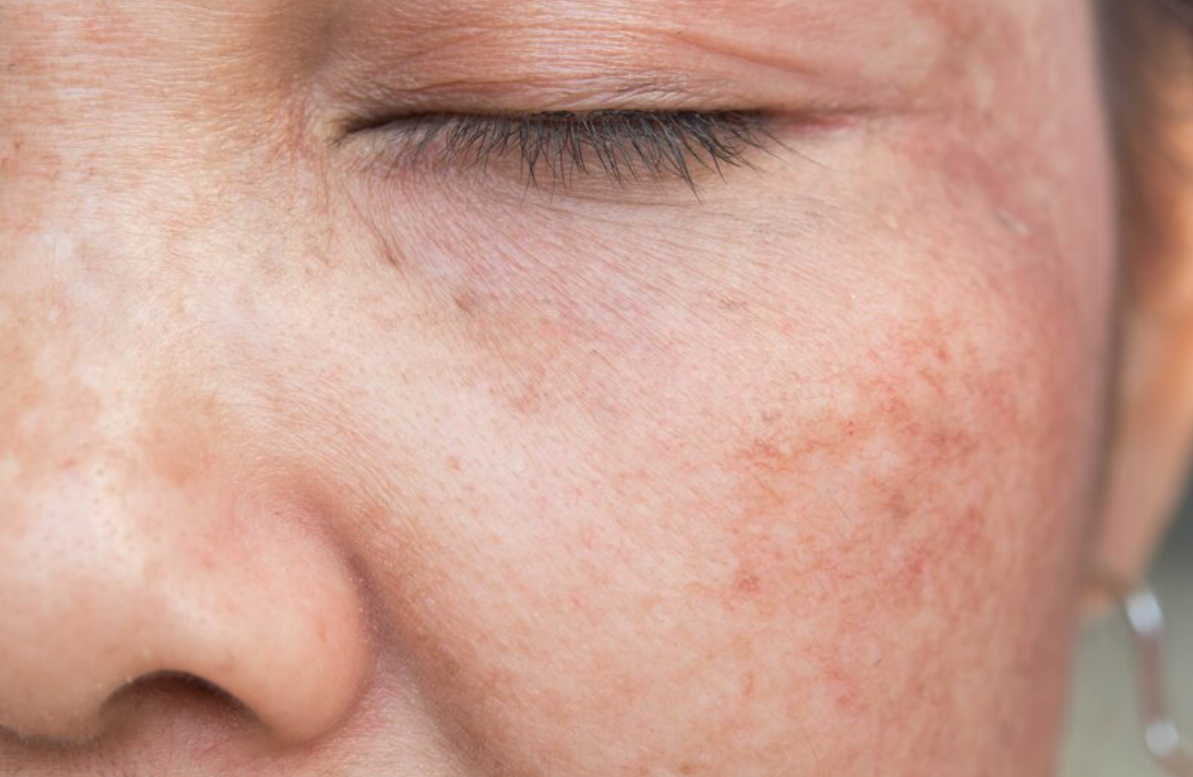
The Science Behind Age Spots: Understanding Melanin Production
Investigating the complex mechanics of melanin synthesis is essential to Understanding Age Spots: Causes and Characteristics. Melanin, the pigment that gives skin its colour, is essential for protecting the skin from ultraviolet light. Specialised cells in the skin’s epidermis called melanocytes increase melanin production in reaction to sunlight as a defence mechanism.
Age spots and hyperpigmentation are the results of this excess melanin building up in specific locations. These spots are more likely to last longer and possibly become darker over time than freckles, which are transient and disappear with less sun exposure.
Age spots form as a result of a number of reasons, such as normal ageing, hormone fluctuations, and heredity. Age spots can afflict persons of all ages who have had substantial sun exposure without wearing enough protection, though they are most common among the elderly.
People can prevent age spots from forming by being proactive and learning how UV exposure and melanin production are related. Adopting sun-safe behaviours can help attenuate excessive melanin synthesis and lower the incidence of age spots. These behaviours include wearing protective clothing, finding shade, and using sunscreen regularly. Understanding Age Spots: Causes and Characteristics and Regular skin examinations with dermatologists can also promote healthier and more vibrant skin by helping with early detection and management.
UV Radiation and Age Spots
Age spots are largely caused by UV radiation, which is a component of sunlight. UVB and UVA rays in particular cause the skin to become subjected to a variety of biological reactions, one of which is the activation of melanocytes, which are the cells that produce melanin.
UVB Radiation:
– Enters the skin’s outer layer; – Causes melanocytes to create more melanin; – Causes a tan as the skin tries to shield itself from additional harm
– Extended or high exposure interferes with the regulation of melanin formation, which causes age spots.
UVA Radiation:
– Deeply penetrates the skin – Builds up damage over time – Aids in the deterioration of collagen and elastin fibres – Causes early ageing and the appearance of age spots.
Moreover, UV radiation can cause inflammation and oxidative stress in the skin, hastening the ageing process and making age spots more noticeable.
Protective Steps:
Employ SPF-high broad-spectrum sunscreen.
Use protective gear, such as long sleeve shirts and wide-brimmed hats, to shield your skin from the sun’s rays. Protect the delicate skin around your eyes by wearing sunglasses. Reapply sunscreen frequently, especially after swimming or perspiring.
People can minimize sun exposure and lower their chance of getting these ugly blemishes by being aware of the link between UV radiation and age spots.

Genetic Factors and Age Spots
Another important factor that determines a person’s vulnerability to age spots is genetics to know about Understanding Age Spots: Causes and Characteristics. Melanin production and distribution are influenced by certain genetic variables, which can also affect how the skin reacts to environmental stresses like UV radiation.
Key Factors:
1. Melanin Production: The activity of the genes involved in the production of melanin can be affected by genetic differences. Variations in melanin synthesis and melanocyte activity may affect how well the skin responds to UV light and controls pigmentation.
2. Skin Type: A person’s skin type is determined by their genetic predispositions, which can impact how susceptible they are to age spots.
3. DNA Repair Mechanisms: The ability of the skin to repair UV-induced damage can be impacted by genetic variances in DNA repair genes. A decrease in the effectiveness of DNA repair mechanisms could raise the chance of developing age spots and cumulative UV damage.
4. Antioxidant Defence: The skin’s defence mechanisms against free radicals produced by UV radiation are also influenced by genetic factors.
Inheritance Patterns: – One or both parents may pass on genetic predispositions to age spots.
– People who have a family history of age spots or other pigmentary disorders may be at a higher risk of acquiring these skin imperfections.
Interplay with Environmental Factors: – Although heredity is a major contributor, age spots can also develop as a result of environmental factors like sun exposure and lifestyle choices.
– Environmental stresses may have more of an impact on people who are genetically predisposed, which emphasizes the value of prevention.
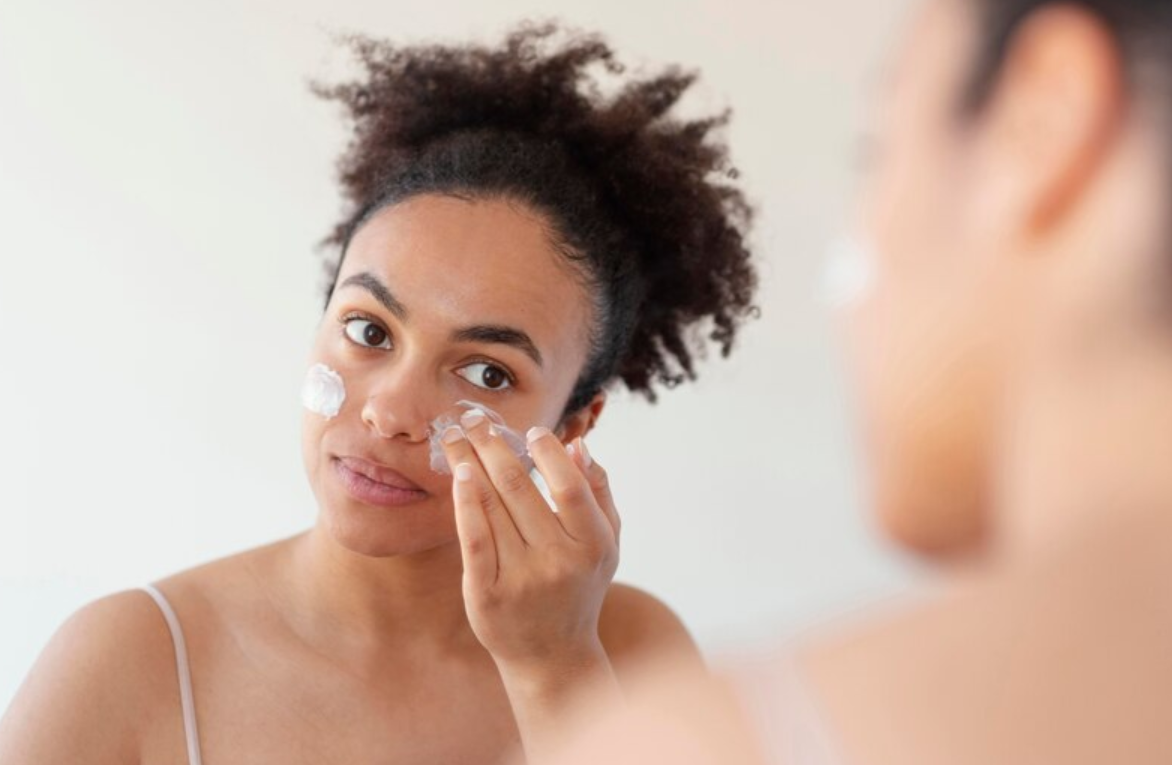
Hormonal Changes and Age Spots: How Hormones Influence Skin Pigmentation
Changes in hormone levels have a major effect on skin pigmentation and can cause age spots to appear. The interaction between hormones and melanin synthesis influences the skin’s reaction to both internal and exterior stimuli.
Important Hormonal Factors:
1. Progesterone and oestrogen: These hormones control the synthesis of melanin. Skin pigmentation changes can result from fluctuations, particularly during pregnancy and menopause.
2. Melanocyte-Stimulating Hormone (MSH): MSH induces the production of melanin by melanocytes.
3. Thyroid Hormones: Thyroid hormones, such as T4 and T3, affect skin pigmentation and health by regulating metabolism and cellular functions.
Age and Pregnancy Spots:
Pregnancy raises progesterone and oestrogen levels, which causes melasma, a hyperpigmented skin condition.
– As oestrogen levels drop during menopause, skin thinning and increased sensitivity to UV radiation may result.
Androgen Hormones: – Androgens, such testosterone, have an indirect effect on pigmentation by influencing the generation of skin oil and sebum secretion.
Interaction with Sun Exposure: – Age spot risk is increased and sensitivity is increased when hormonal changes interact with UV radiation.
– Age spot problems associated to hormonal impacts can be managed with the support of healthcare specialists and the adoption of sun-safe habits.
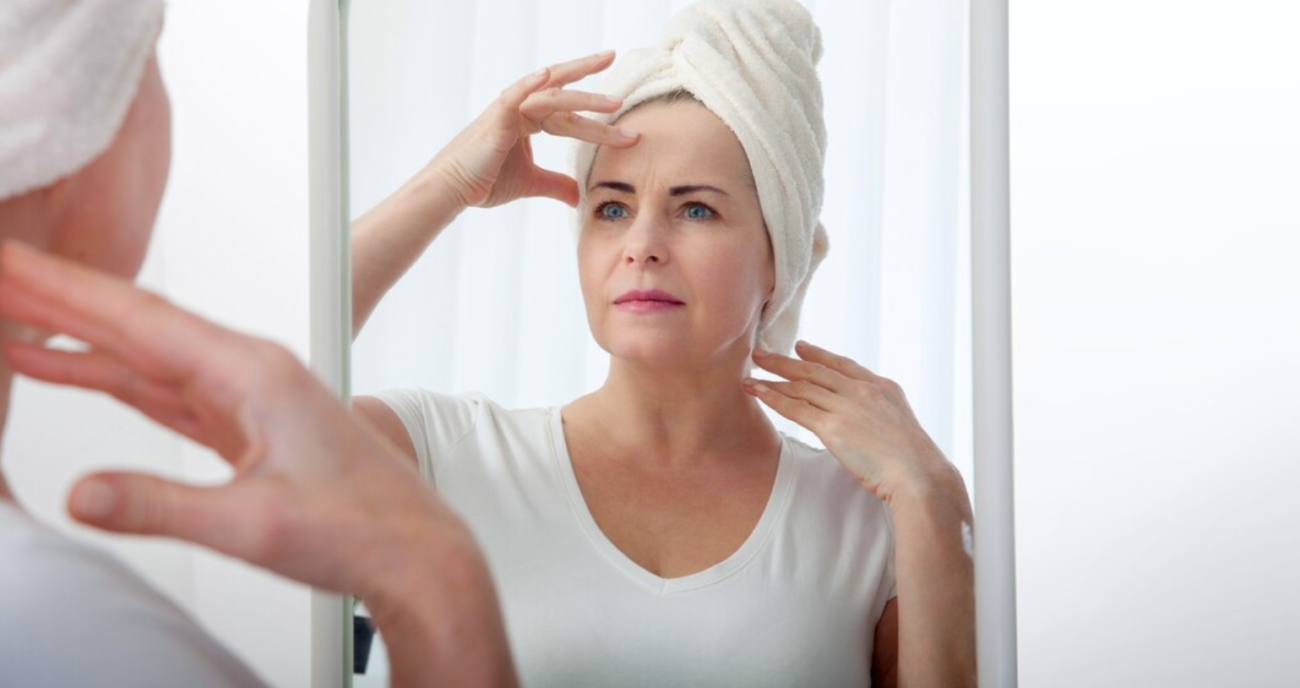
Age Spot Locations: Where Do They Typically Appear on the Body?
These spots, sometimes referred to as liver spots or solar lentigines, typically develop on body parts that are exposed to the sun on a regular basis. The face, hands, arms, shoulders, and décolletage are among them.
Age Spots on the Face: On the face, age spots most frequently appear on the cheeks, forehead, nose, and eye area.
Spots for Hand Ages: Another typical place for age spots to appear is on the backs of the hands. Because the hands have thinner skin and less underlying fat, they are more vulnerable to UV light damage and may appear more visible.
Spots for Arm Ages: Age spots on the arms usually start at the wrist and go all the way up to the elbow on the forearms and backs of the hands.
Age Spots on Shoulders: Additionally, age spots can appear on the shoulders, particularly in those who spend a lot of time outside without enough sun protection or who regularly wear sleeveless clothing.
Characteristics of Age Spots: Size, Shape, and Color Variations
Age Spots, sometimes called liver spots or solar lentigines, are unique lesions that differ in size, shape, and colour from person to person.
Dimensions: The size of age spots on the skin can vary, ranging from tiny, freckle-like dots to bigger patches. Age spots can range in size from a few millimetres to several millimetres, depending on how prominent they are.
Form: On the skin, they can resemble asymmetrical, circular, or oval spots.
Differences in Colour: Age spots can differ in colour based on a number of factors, including individual pigmentation, skin type, and history of sun exposure. They typically appear as various tones of brown, from light tan to dark brown to nearly black. Age spots can occasionally have a greyish or reddish colour.
To differentiate age spots from other skin imperfections and track variations in their appearance over time, it is vital to comprehend their characteristics. Furthermore, implementing preventive strategies like using sunscreen and upholding a good skincare regimen will help reduce the appearance and growth of age spots on.
Sun Protection Strategies: Tips for Preventing Age Spot Formation
Effective sun protection techniques are the first step in preventing the growth of age spots. By Understanding Age Spots: Causes and Characteristics The following advice will help protect your skin from damaging UV rays and reduce the likelihood that age spots will appear on it:
1. Apply Sunscreen Daily: Regardless of cloudy days, use a broad-spectrum sunscreen with SPF 30 or higher every day. Reapply liberally every two hours or after swimming or perspiring, and to any exposed skin regions, such as the face, neck, hands, and arms.
2. Look for Shade: When you’re outside, try to find shade whenever you can, especially between 10 a.m. and 4 p.m., when the sun is at its strongest. Seek shade from awnings, trees, or umbrellas to lessen your direct exposure to UV radiation.
3. Put on protective gear: Wear tightly woven, UV-protective clothing to stay covered, such as long sleeve shirts, slacks and caps with wide brims. To safeguard your eyes and the sensitive skin surrounding them, think about donning sunglasses that offer UV protection.
4. Avoid Tanning Beds: Stay away from sunlamps and tanning beds as they release UV radiation that can hasten the ageing process of skin and raise the possibility of developing age spots.
5. Make use of sun protection gear: Include sun protection items in your everyday attire, such as UV-blocking clothes and accessories, sun caps, and umbrellas. These products can offer extra UV protection, particularly when engaging in prolonged outdoor activities.
6. Maintain Hydration: Staying properly hydrated is crucial to keeping your skin healthy. Keep your skin hydrated and supple throughout the day by drinking lots of water. This will help shield your skin from UV damage and the development of age spots.
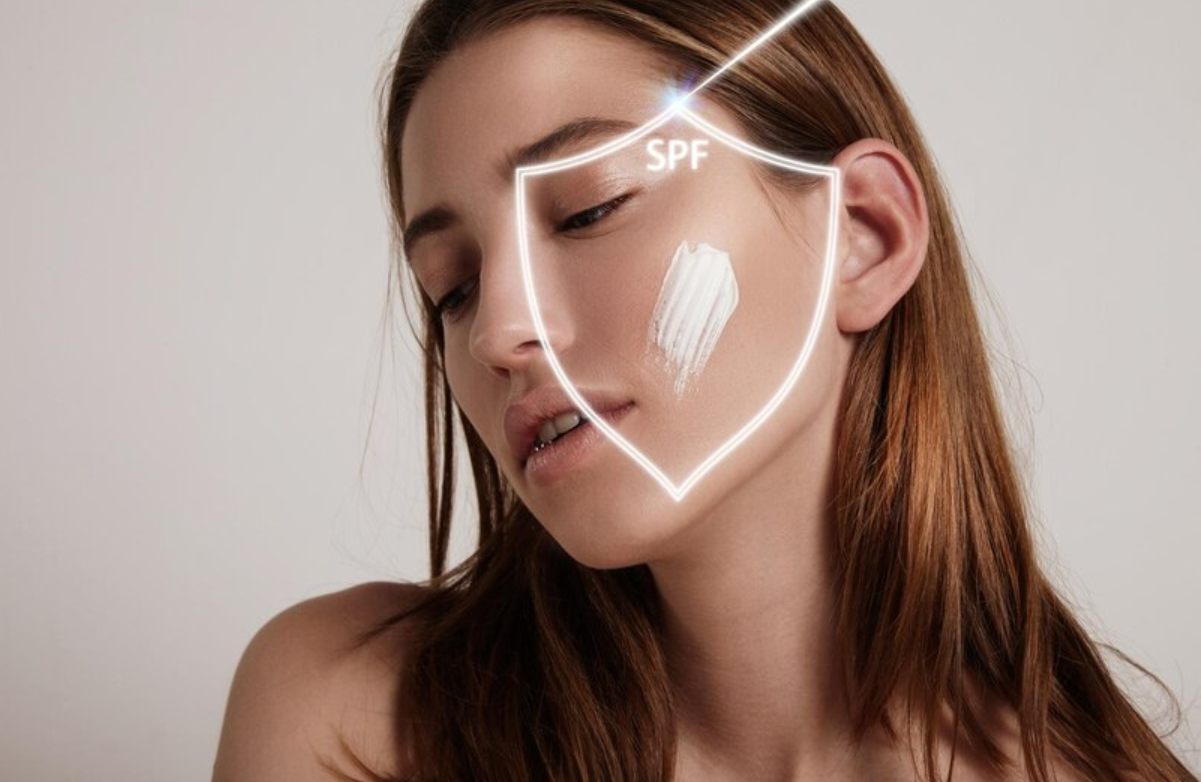
Skincare Regimens for Age Spot Management: Exfoliation, Hydration, and Topical Treatments
An extensive skincare regimen is necessary to effectively manage age spots. Exfoliation, hydration, and focused topical therapies can be used to minimise the appearance of existing spots and stop the development of new ones.
Exfoliation: To start, exfoliate your skin frequently to get rid of dead cells and promote cell turnover. For this, mild exfoliants like as beta hydroxy acids (BHAs) or alpha hydroxy acids (AHAs) are effective.
Rate of Hydration: To preserve the skin’s moisture barrier and promote normal cell function, drink enough of water. To restore moisture, use a moisturiser that is appropriate for your skin type and has components like glycerin or hyaluronic acid.
Medical Interventions: Make use of topical solutions designed to brighten the skin and target ageing spots. For products that lighten pigmentation and even out skin tone, look for ingredients like retinoids, vitamin C, niacinamide, or licorice extract.
Sun Protection: Make sun protection your top priority to stop more pigmentation alterations. When going outside, use protective gear and apply a broad-spectrum sunscreen with an SPF of 30 or higher every day.
Expert Care Services: To get more thorough spot removal and skin renewal, think about undergoing expert treatments like chemical peels or laser therapy. See a dermatologist to find the best course of action for your skin type.
These techniques will help you manage age spots and get a more even, luminous complexion when added to your skincare regimen. Keep to your routine and exercise patience while you wait for results because consistency is essential.
Natural Remedies for Age Spot Reduction
There are a few natural therapies that work well for fading age spots.
1. Lemon juice: Use a cotton ball to dab fresh lemon juice twice a day on age spots. Citric acid, which is found in lemons, has the potential to gradually lighten black stains.
2. Aloe vera: To calm the skin and perhaps lessen pigmentation, apply pure aloe vera gel directly to age spots.
3. Apple cider vinegar: Use a cotton ball to apply diluted apple cider vinegar on age spots. Because of its acidic qualities, coloration may disappear.
4. Green tea extract: Drink green tea on a regular basis or apply it topically. Antioxidants included in green tea may help prevent age spots and enhance the general health of the skin.
5. Vitamin E oil: To hydrate the skin and perhaps diminish pigmentation, apply vitamin E oil directly to age spots.
6. Onion extract: To benefit from the sulphur components in onion extract, which may help lighten dark spots, apply onion extract to age spots.
7. Papaya: Use papaya extract in skincare products or apply mashed papaya directly on ageing spots. Enzymes found in papaya may aid in skin exfoliation and pigmentation reduction.
8. Castor oil: Apply castor oil on wrinkles twice a day to hydrate the skin and perhaps lighten pigmentation over time.