SUPPLEMENTS FOR MEN

 BEAUTY RANGE
 ENERGY METABOLISM
 HEART & BRAIN HEALTH
 SLIMMING RANGE
 SHAMPOO
 CONDITIONER
 NOURISHMENT
 OIL
OIL SERUM
SERUM



Acne Scars: Prevention and Treatment Options

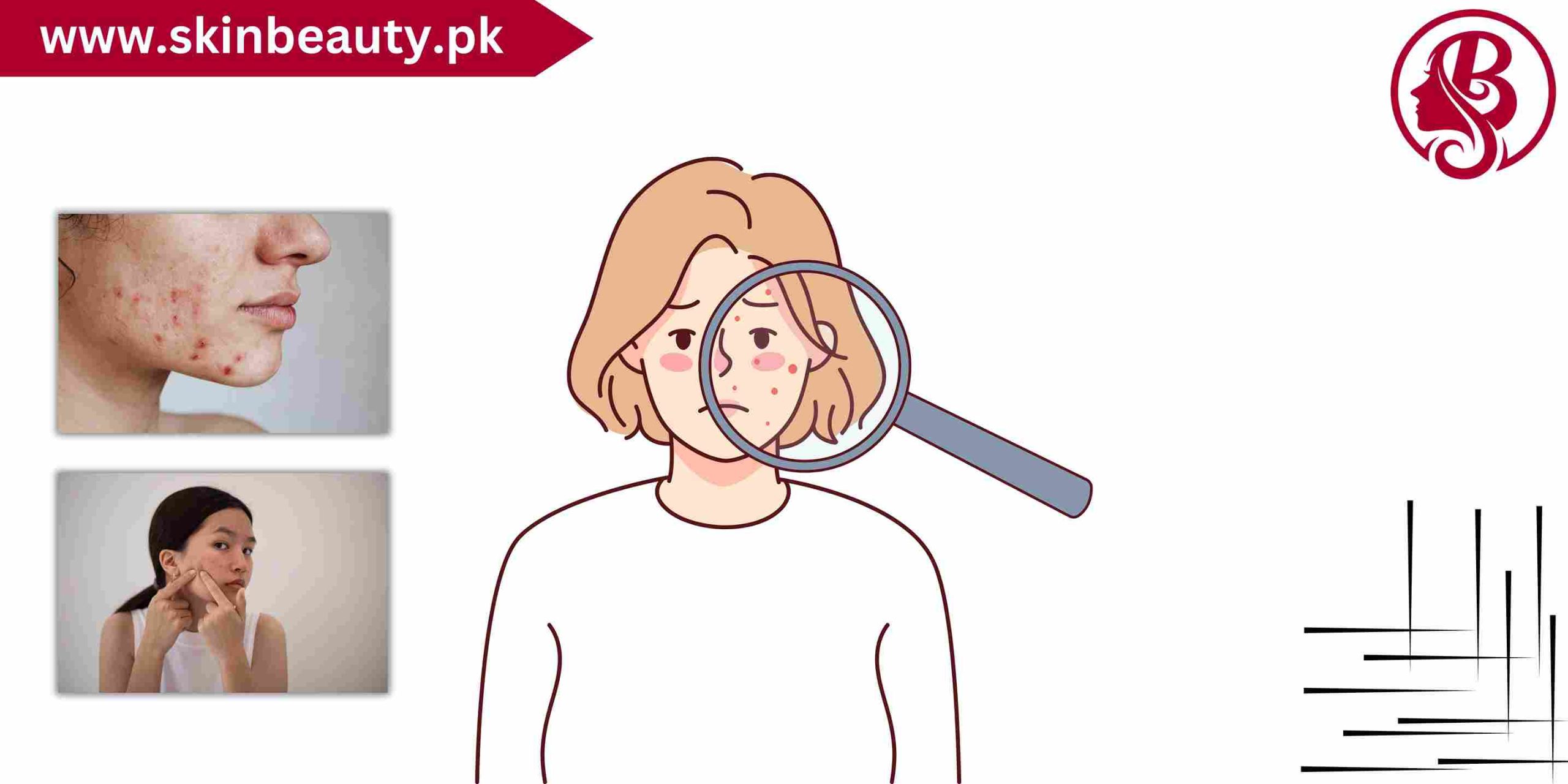
Acne Scars: Prevention and Treatment Options, acne may have a devastating effect on a person’s self-worth and general wellbeing. Understanding acne is essential to controlling and treating it successfully, whether you’re an adult dealing with recurrent breakouts or a child navigating the rough waters of adolescence.
Acne Scars: Prevention and Treatment Options, acne is caused by a complex interaction of variables, including genetics, lifestyle decisions, hormone changes, and environmental factors. Our skin’s oil glands are stimulated by hormones, especially androgens like testosterone, which results in an overproduction of sebum. This extra oil clogs pores and causes acne by combining with bacteria and dead skin cells. To further complicate matters, certain drugs, dietary issues, and stress can aggravate acne symptoms.
There are several ways that acne can appear, and each has its own traits and difficulties. Knowing what kind of acne you have—from the typical blackheads and whiteheads of mild acne to the more severe nodules and cysts of inflammatory acne—is essential to choosing the best course of action. Moreover, acne can result in pigmentation problems and ugly scars, which causes additional worry for a lot of people.
The good news is that there are lots of treatments available to help control and reduce acne symptoms, making it a very manageable condition. Salicylic acid, retinoids, and benzoyl peroxide are examples of substances used in over-the-counter topical therapies that can be useful in clearing clogged pores and lowering inflammation. A dermatologist may prescribe prescription drugs such isotretinoin, hormonal treatments, and oral antibiotics for more severe instances.
Introduction: Decoding the Complexity of Acne
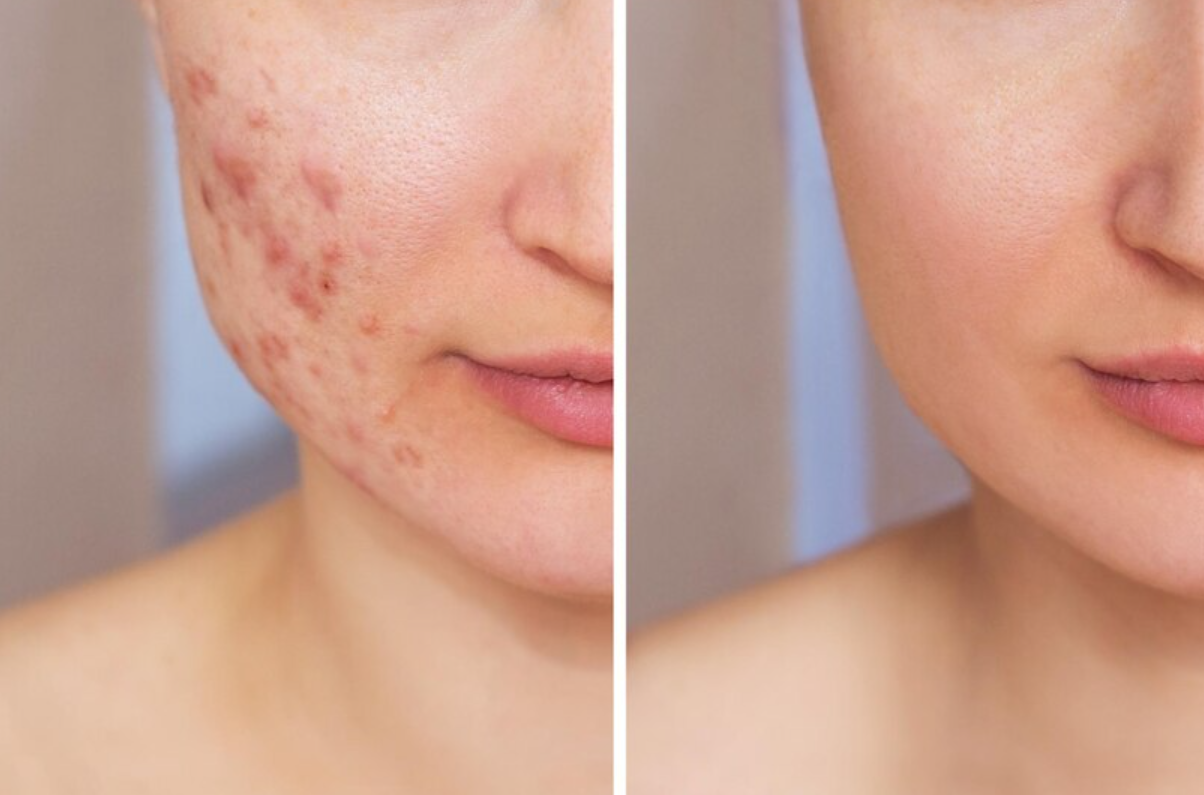
Acne is a dermatological problem that affects millions of people worldwide. It is more complex than it seems, involving a complex interaction of physiological, genetic, and environmental variables. Acne is far from being a cosmetic issue; it may have a big impact on a person’s confidence in social situations, emotional stability, and bodily comfort.
We examine the complicated issues surrounding acne in-depth in this thorough analysis, illuminating its underlying origins, range of symptoms, and assortment of therapeutic approaches. By deciphering the mystery surrounding acne, we hope to equip people with the information and skills needed to successfully navigate their skincare journey and regain the glowing, spot-free complexion they so richly deserve.
Skin Care Products:
in The following article Acne Scars: Prevention and Treatment Options, it is a list of skincare products that are frequently used to treat acne:
1. **Cleansers:** Non-comedogenic, mild cleansers assist in clearing the skin of extra oil, debris, and pollutants without removing the skin’s natural oils. Seek for treatments that help clear pores and stop breakouts by adding chemicals like benzoyl peroxide or salicylic acid.
2. **Topical Treatments**: Benzoyl peroxide, salicylic acid, or retinoids are among the substances included in over-the-counter topical treatments that can help lessen acne lesions and stop new ones from developing.
3. **Moisturisers:** Without clogging pores or aggravating acne, lightweight, oil-free moisturisers help nourish the skin. Seek for products that bear the labels “oil-free” or “non-comedogenic” to make sure they won’t aggravate breakouts.
4. Sun Protection: Sunscreen is necessary to shield the skin from damaging UV radiation, yet many conventional formulations can aggravate acne and cause comedones. For acne-prone skin, use oil-free, non-comedogenic sunscreens that offer sun protection without causing outbreaks.
5. **Exfoliants:** Chemical exfoliants with components like beta hydroxy acids (BHAs) or alpha hydroxy acids (AHAs) help clear clogged pores, eliminate dead skin cells, and enhance the texture of the skin. Those with skin prone to acne may find these products especially helpful, but exercise caution while using them to prevent over-exfoliation.
6. **Ad hoc Interventions:** Spot treatments with components like sulphur, salicylic acid, or benzoyl peroxide can help target specific acne lesions and lessen inflammation.
7. Masks made of clay: Clay masks are a popular option for skin that is prone to acne since they can help absorb excess oil, unclog pores, and reduce irritation.
8. **Serums:** Vitamin C, hyaluronic acid, and niacinamide are among the substances included in serums that can reduce inflammation, lighten hyperpigmentation, and encourage skin repair.

The Underlying Causes of Acne: Hormonal, Genetic, and Environmental Factors
Acne is a complicated combination of hormonal changes, genetic predispositions, and environmental effects that is typically thought of as a rite of passage for adolescents. Hormones, especially androgens like testosterone, are essential in causing the sebaceous glands to secrete sebum, which is excess oil. This extra oil and dead skin cells provide an ideal environment for acne-causing bacteria to grow, clogging pores and triggering breakouts.
A person’s genetic makeup also has a significant impact on how prone they are to acne. Acne is a hereditary condition, as evidenced by the higher likelihood of experiencing its manifestations in those with a family history of the skin disorder. Individual differences in the genes linked to skin barrier function, inflammation, and sebum production also influence an individual’s risk profile for acne.
Environmental variables can intensify acne symptoms or cause flare-ups, and they range from pollution and climate to lifestyle decisions. Particulate matter and ozone are examples of airborne contaminants that can settle on the skin’s surface, blocking pores and escalating inflammation.
We can better understand acne by analysing the complex interactions between hormonal, genetic, and environmental factors that underlie this common skin disorder. Equipped with this understanding, people can implement focused tactics to tackle the underlying reasons behind their acne and set out on a path to more radiant, more youthful-looking skin.
Hormonal Imbalance and Acne: Understanding the Connection
Hormonal imbalance is one of the many reasons that cause acne and has a significant impact on the frequency and intensity of outbreaks.
In the complex dance of hormones coordinating biological processes, androgens—specifically, testosterone—have a major impact on sebaceous gland activity. These deep-seated glands in our skin secrete sebum, an oily material that is essential to keeping our skin hydrated. Sebum production can, however, become uncontrollably high during periods of androgen excess, as occurs during puberty or in certain hormonal disorders.
Excess sebum, germs, and dead skin cells combine to create a powerful mixture that clogs pores and encourages the growth of acne lesions. In addition, variations in hormone levels can worsen skin irritation, making acne more severe and lasting longer.
Hormonal imbalances still have an impact after adolescence, especially in women going through menopause, pregnancy, or menstruation variations. High androgen levels are a hallmark of polycystic ovarian syndrome (PCOS), which poses an additional hormonal risk that makes people more susceptible to acne breakouts.
Comprehending the complex relationship between hormones and acne enables individuals to use focused control techniques. Navigating the hormonal landscape of acne opens opportunities to successful therapy and restored skin confidence, ranging from hormonal medications to lifestyle modifications targeted at stabilising hormone levels.
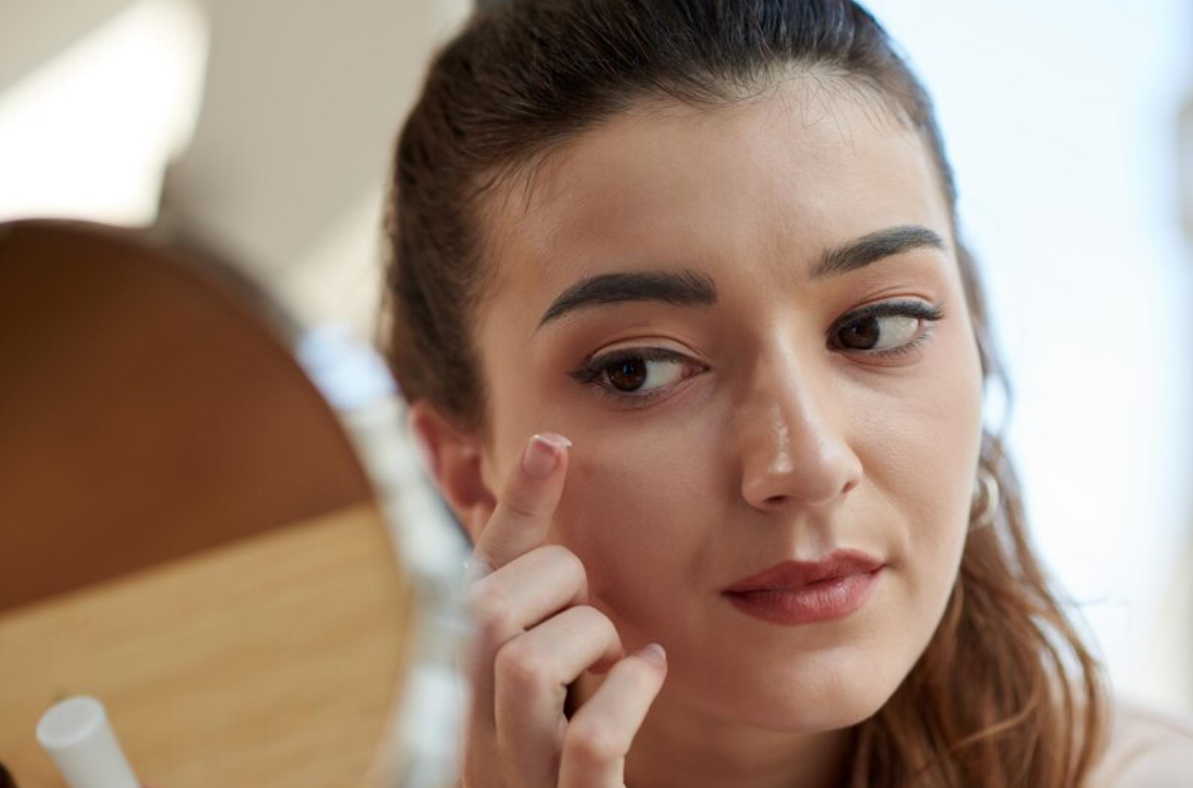
Environmental Triggers: Pollution, Climate, and Lifestyle Influences
Although hormonal imbalances and genetic predispositions are important contributors in the development of acne, environmental variables also have a substantial impact on skin tone. Environmental factors, such as the air we breathe and the lifestyles we lead, can aggravate acne symptoms and make therapy more difficult.
The ubiquitous presence of pollution in metropolitan environments is a significant threat to skin health. Our pores are penetrated by particulate matter, volatile organic compounds (VOCs), and other airborne contaminants, which lead to oxidative stress and inflammation. This assault weakens the skin’s natural defences against infection, increasing the likelihood of new pimples and aggravating pre-existing lesions.
Humid conditions provide bacteria that cause acne with the perfect environment to grow, which exacerbates the spread of lesions.
On the other hand, dry climates can deprive the skin of its natural moisture, which can lead to an increase in oil production as a compensatory mechanism and worsen acne symptoms.
Stress levels and food are only two examples of lifestyle variables that exacerbate acne. Refined sugar and processed food-based high-glycemic diets can raise insulin levels, which in turn can exacerbate inflammation and oil production.
Stressful lives are also associated with poor sleep quality, which further erodes skin integrity by preventing the body from healing and regenerating damaged tissues.
Proactive steps are essential in managing acne because of these environmental causes. Protective skincare regimens that include moisturisers and cleansers specific to each type of skin help strengthen the skin’s natural defences against environmental aggressors.
Types of Acne: Exploring Variations from Blackheads to Cysts
in this article Acne Scars: Prevention and Treatment Options, Even while acne is frequently portrayed as a single skin disorder, it actually refers to a wide range of lesions, each with unique traits and underlying causes. Through deciphering the subtleties of acne’s different forms, people can better comprehend how their particular acne manifests and adjust their treatment strategies accordingly.
1. Open comedones, or blackheads: Small, black patches on the skin’s surface are the hallmark of one of the most identifiable types of acne. When dead skin cells and excess sebum block hair follicles, a plug forms that oxidises in the presence of air and appears dark.
2. Closed comedones, or whiteheads: Whiteheads appear as tiny, flesh-colored pimples that stay closed at the skin’s surface, in contrast to blackheads.
3. Papules: Little red pimples called papules appear when there are inflammatory reactions in the hair follicles. They are characterised by their delicate, elevated look and usually do not contain pus.
4. Bustites: Although pus is present at the centre of pustules, giving them a white or yellowish hue, their look is similar to that of papules.
5. Implicates: Large, painful lumps beneath the skin’s surface are a sign of nodular acne, a more severe type of acne. When the inflammation penetrates deeper into the skin and affects several layers of tissue, these deep, firm lesions arise.
6. Cysts: With its huge, pus-filled lesions deep under the skin, cystic acne is the most severe and crippling type of acne. These cysts appear as deep, painful nodules that may burst and leave scars as a result of the infection and inflammation spreading widely.
Inflammatory Acne: Understanding Severity and Implications
Not only is inflammatory acne a cosmetic issue, but it can also have a major negative influence on one’s emotional and physical health.
Red, puffy pimples or lesions brought on by inflammation are the hallmark of inflammatory acne. These can show in various degrees of severity and include papules, pustules, nodules, and cysts. Inflammatory acne is caused by the immune system reacting to bacteria that has become stuck in the pores, as opposed to non-inflammatory acne, which is largely caused by clogged pores and blackheads and whiteheads.
Inflammatory acne can range greatly in intensity from mild to severe. Severe cases can include large, painful nodules and scarring cysts, whereas mild cases could just have a few dispersed papules and pustules.
In addition to causing physical discomfort, inflammatory acne can have significant psychological effects.
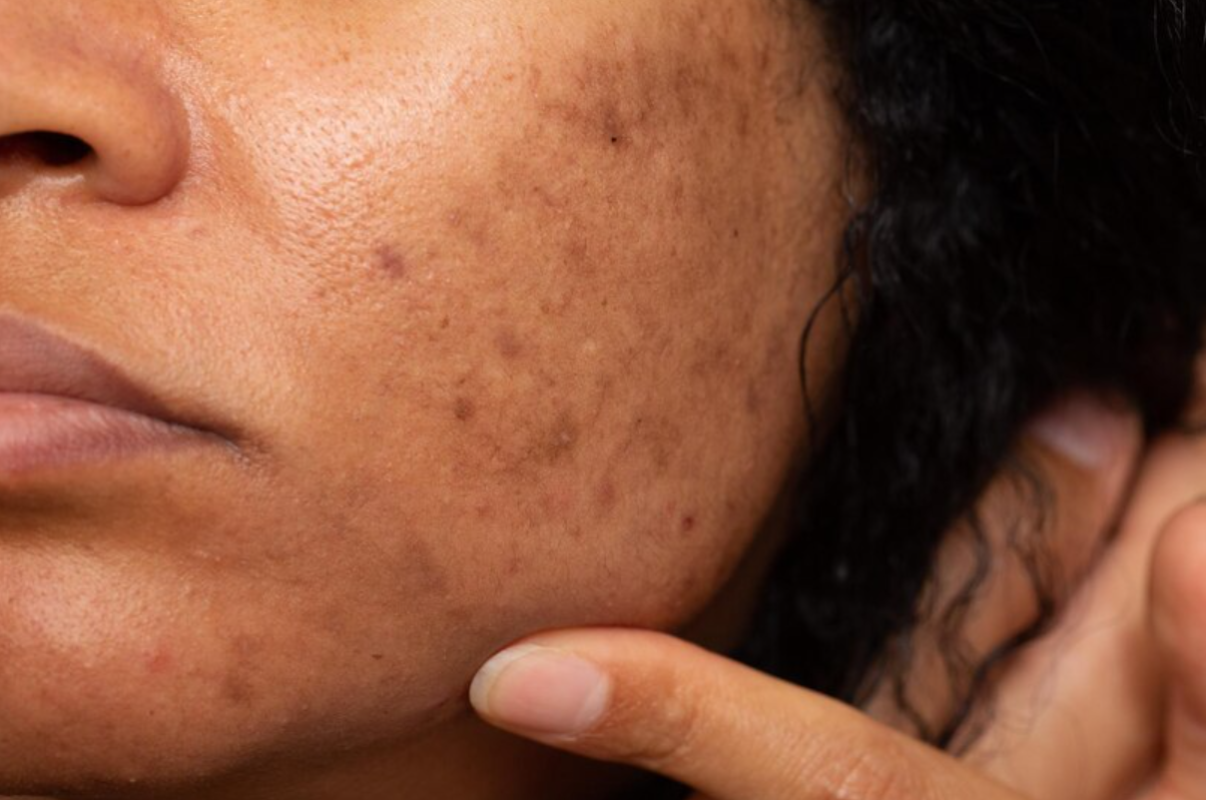
People may feel embarrassed, self-conscious, and low in self-esteem, which can affect how they interact with others and their general quality of life. In addition, untreated inflammatory acne can worsen mental distress by causing hyperpigmentation and irreversible scarring.
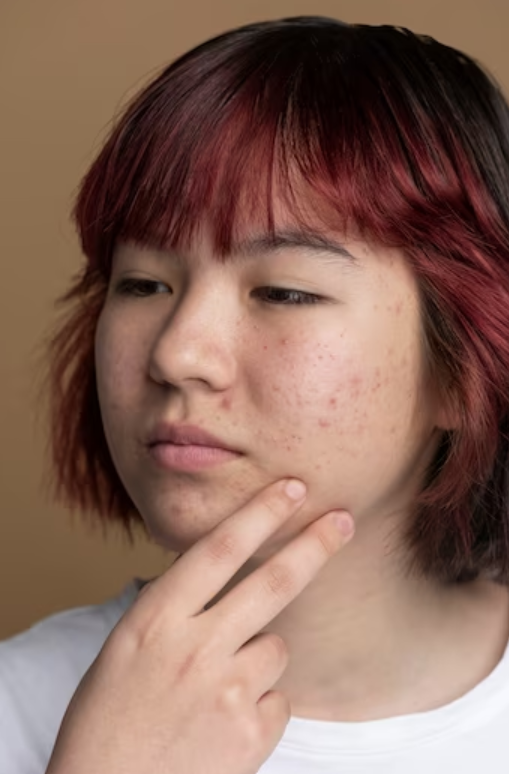
An interdisciplinary approach is necessary for the effective management of inflammatory acne. Topical medications that help reduce inflammation and unclog pores include retinoids and benzoyl peroxide. In addition, dermatological treatments including laser therapy and corticosteroid injections can help minimise scarring and reduce inflammation.
Furthermore, Acne Scars: Prevention and Treatment Options are done by avoiding harsh products and overscrubbing while following a mild skincare regimen might help stop additional irritation and inflammation.
Adjusting one’s lifestyle to include eating a balanced diet, controlling stress, and avoiding irritants like smoking and too much sun exposure can also help treat acne.
Non-Inflammatory Acne: Identifying Whiteheads and Blackheads
Even though non-inflammatory acne, which includes blackheads and whiteheads, may not seem as bad as its inflammatory relatives, those who have it nevertheless face many difficulties. Comprehending various varieties of acne is vital for efficient handling and averting additional incidents.
1. Closed comedones, or whiteheads: Whiteheads are little, elevated lumps on the skin’s surface that frequently have a flesh-colored or whitish appearance. They appear when dead skin cells and excess oil clog pores, forcing the follicle to close. In contrast to blackheads, the pore stays closed, shielding the stored debris from oxidation and exposure to air.
2. Open comedones, or blackheads: Tiny, dark spots on the skin, typically on the nose, chin, and forehead, are the hallmark of blackheads. They appear when oil and dead skin cells clog pores; however, unlike whiteheads, the pore stays open during this process. The dark colour of blackheads is a result of the trapped dirt oxidising when exposed to air.
They may still cause low self-esteem and feelings of self-consciousness, though, and they can still be ugly.
Gentle washing to eliminate excess oil and dead skin cells, together with the application of topical treatments containing chemicals like benzoyl peroxide or salicylic acid to unclog pores and stop future breakouts, are often key components of effective management of non-inflammatory acne. Exfoliation can also aid in the removal of dead skin cells and stop new blackheads and whiteheads from developing.
Lifestyle Modifications: Diet, Stress Reduction, and Hygiene Practices
Changes in lifestyle can have a major impact on skin health, even while skincare products and drugs are important in managing acne. People can support healthier, clearer skin in addition to medical therapies by implementing good dietary, stress-reduction, and cleanliness habits.
1. Dietary Adjustments: According to recent studies, some people may experience worsening acne symptoms after eating specific foods. Sugary snacks and refined carbs are examples of high-glycemic diets that can raise blood sugar levels and cause inflammation, which may exacerbate acne.

2. De-stressing: Hormonal changes brought on by prolonged stress may make acne problems worse. Stress can also impair the skin’s natural barrier function, increasing the likelihood of irritation and breakouts. Using stress-reduction methods like yoga, deep breathing exercises, mindfulness meditation, or regular exercise can help reduce stress and encourage skin healing.
3. Sanitation Procedures: Maintaining good skincare practices is crucial to reducing bacterial development on the skin’s surface and averting acne outbreaks. This involves washing the skin twice a day to remove extra oil, debris, and pollutants with a mild, non-comedogenic cleanser.