SUPPLEMENTS FOR MEN

 BEAUTY RANGE
 ENERGY METABOLISM
 HEART & BRAIN HEALTH
 SLIMMING RANGE
 SHAMPOO
 CONDITIONER
 NOURISHMENT
 OIL
OIL SERUM
SERUM



Dry Skin: Causes and Solutions


Dry Skin: Causes and Solutions, Many people suffer from dry skin, which can be uncomfortable and have an impact on self-esteem. In this extensive guide, we explore the root reasons and workable remedies for this widespread issue. Comprehending the underlying reasons behind dry skin is essential for efficient management. Environmental elements that deprive the skin of its natural moisture, leaving it parched and dehydrated, include severe weather, prolonged sun exposure, and interior heating. Frequent hot showers, abrasive soaps, and dehydration are examples of lifestyle choices that can worsen the condition. For this reason, any regimen for dry skin must take these things into account.
Thankfully, there are lots of ways to stop dry skin and bring back the proper balance of moisture in the skin. From mild skincare products made with moisturising components to dietary and lifestyle modifications, our book offers a thorough rundown of practical tactics. We discuss the advantages of adding humectants, emollients, and moisturisers to your regular skincare regimen and the significance of maintaining the skin’s barrier function.
By Dry Skin: Causes and Solutions, We also explore the importance that nutrition and hydration play in preserving the healthiest possible skin, emphasising essential nutrients and hydration practices that promote skin hydration from the inside out. You may get long-lasting relief and bring back your skin’s natural brightness by treating the root causes of dry skin and using a holistic skincare regimen. With our in-depth information on the causes and treatments of dry skin, you can uncover the keys to having healthy, moisturised skin.
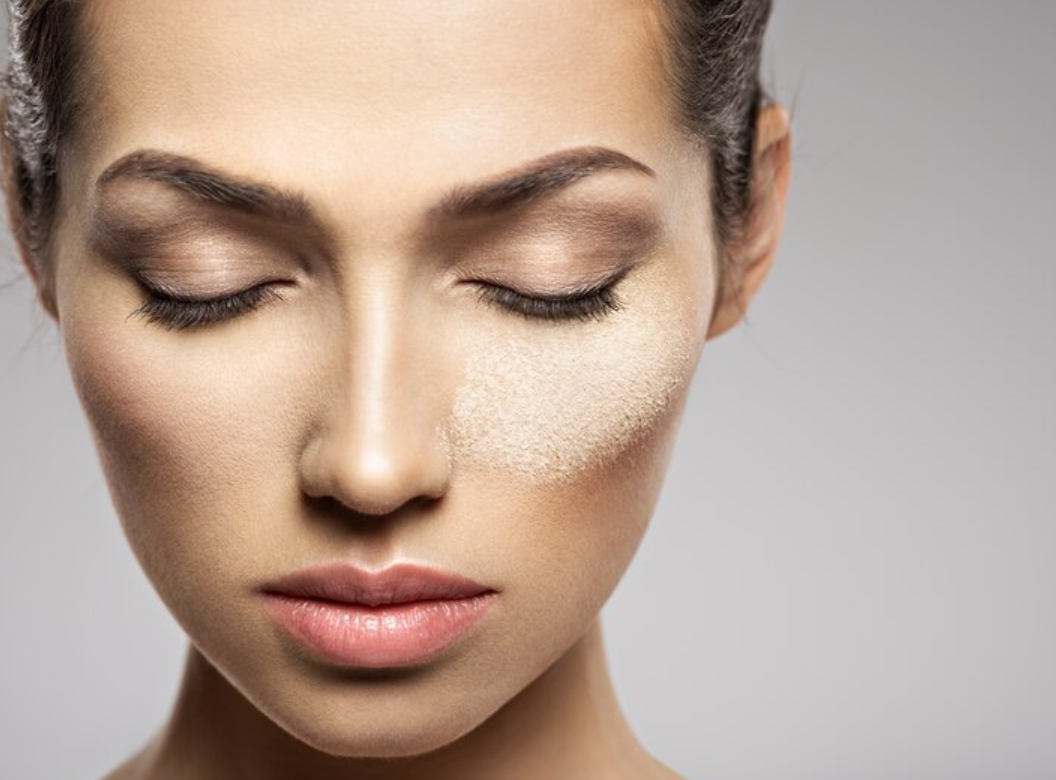
Understanding the Anatomy of Dry Skin
When the skin lacks the essential oils and moisture to preserve its natural barrier function, it can result in dry skin, sometimes referred to as xerosis in medical terminology. Dry Skin: Causes and Solutions In severe situations, this illness can cause cracks, flaking, irritation, and discomfort. Understanding Dry Skin: Causes and Solutions and the underlying elements that contribute to its development is crucial to understanding it completely.
The skin is made up of three primary layers: the dermis, hypodermis, and epidermis. The epidermis, which is the outermost layer, acts as a barrier to keep out outside influences. Lipids and natural moisturizing factors (NMFs) are present in it, which aid in moisture retention and skin hydration. Dryness, however, can result from a number of reasons that compromise this barrier.
Dryness can be made worse by environmental conditions including low humidity, cold temperatures, prolonged sun exposure, and strong winds, which deplete the skin of its natural oils and moisture. Furthermore, the skin’s integrity can be compromised by lifestyle choices such as frequent hot showers, the use of abrasive soaps, extended exposure to air conditioning or central heating, and more.
People who have a family history of ichthyosis, psoriasis, or eczema may be more susceptible to dry skin. For management and preventative methods to be effective, it is imperative to comprehend these hereditary components.
Understanding the structure of dry skin and the underlying factors that contribute to it can help people take preventative measures to address and manage this prevalent ailment. Stay tuned as we investigate practical fixes and skincare regimens designed to bring back the proper balance of moisture and encourage skin that is healthier and more vibrant.

Common Causes of Dry Skin
People of all ages experience the common problem of dry skin, which can be uncomfortable and negatively influence the health of the skin overall. Identifying the common causes of dryness is essential to effectively treating this illness. Here, we examine the main factors that contribute to dry skin and how they throw off the skin’s normal moisture balance.
1. Environmental Factors: Dry skin results from harsh weather that depletes the skin of its natural oils, such as low humidity and cold temperatures.
2. Hot Showers: Skin loses its protective oils when it is exposed to hot water for an extended period of time, becoming dry and irritable.
3. Ageing: As skin ages, its capacity to hold onto moisture diminishes, leading to a rise in wrinkles and dryness.
4. Genetics: Skin’s ability to retain moisture is impacted by a genetic propensity for dry skin diseases like eczema.
5. Hormonal Changes: Variations in oil production can result in dryness during puberty, pregnancy, and menopause.
6. Medication: One of the negative effects of some medications, such as diuretics, is dry skin.
7. Diet: Inadequate water and poor diet can weaken the skin’s protective layer, making dryness worse.
Comprehending these prevalent reasons facilitates the efficient management of dry skin. Watch this space for advice on preventing dryness and encouraging more radiant skin.
Seasonal Variations in Dry Skin: Summer vs. Winter Challenges
Dry skin varies with the seasons, so it’s not a constant problem. Effective skincare requires an understanding of how summer and winter affect your skin. Here, we’ll look at the particular difficulties that every season brings and how to modify your regimen properly.
1. Summertime Challenges: Although hot weather and heavy humidity might seem comforting, they can nonetheless cause skin to become parched. Air conditioning, sun exposure, and excessive perspiration can dry out your skin, causing dehydration and possible UV damage.
2. Winter Challenges: The combination of hot interiors and cold, dry air outdoors makes for an ideal storm for dry skin during the winter. Low humidity causes your skin to become tight, flaky, and irritated by depriving it of its natural hydration.
Use moisturising serums and lightweight, non-comedogenic moisturisers to stave off summer dryness and seal in moisture without clogging pores. Remember to wear sunscreen—a broad-spectrum SPF is necessary to ward off UV damage.
Use heavier, emollient-based moisturisers in the winter to provide your skin more hydration and protection. Additionally, humidifiers can aid in rehydrating the air to avoid an excessively dry interior environment.
Knowing how dry skin varies with the seasons will help you customise your skincare regimen to target particular issues all year long. Watch this space for additional advice on maintaining moisturised, healthy skin throughout the year.

Identifying Dry Skin Symptoms: Itching, Flaking, and Tightness
Identification of the different telltale indications of dry skin is essential for effective therapy. Here, we explore the typical symptoms—such as tightness, flaking, and itching—as well as early detection techniques.
1. Itching: One of the main indicators of dry skin is persistent itching. The outermost layer of skin can become irritated and uncomfortable due to a lack of moisture and protective oils, which can result in constant scratching.
2. Flaking: Visible flakiness, or the appearance of rough, scaly skin, is frequently the result of dry skin. Dead skin cells build up on the surface, especially in dry places like the hands, elbows, and knees, resulting in peeling and shedding.
3. Tightness: Another typical sign of dry skin is a feeling of tightness or “pulling.” This happens when the skin isn’t hydrated and elastic enough, which makes it feel uncomfortable and stiff, especially after washing or being outside in bad weather.
Early detection of these symptoms enables timely action and stops the dry skin from getting worse. Watch this space for professional advice on how to treat dry skin and bring back the natural moisture balance of your skin.

Differentiating Between Dry Skin and Dehydrated Skin
Although they may appear identical, dry skin and dehydrated skin have different underlying causes. Here, we’ve outlined the salient features to assist you in determining the ailment you are experiencing.
1. Dry Skin: The absence of sebum, the natural oil secreted by the skin’s oil glands, is the hallmark of dry skin. It might look drab or inflamed and frequently feels rough and flaky. Most often, environmental factors like weather and harsh skincare products or genetics play a role in the development of dry skin.
2. Dehydrated Skin: In contrast, dehydrated skin is a transient state brought on by insufficient water in the skin.
Dry Skin: Causes and Solutions , Any skin type, especially combination or oily skin, might be affected. Dehydrated skin is prone to fine lines and wrinkles, feels tight, and may appear dull. Inadequate hydration, excessive alcohol or caffeine intake, and environmental variables including sun exposure and dry air are common reasons.
Making the right decisions when choosing skincare treatments and products requires an understanding of these distinctions. Watch this space for professional advice on how to revive the health and vibrancy of your skin while treating dry and parched skin.
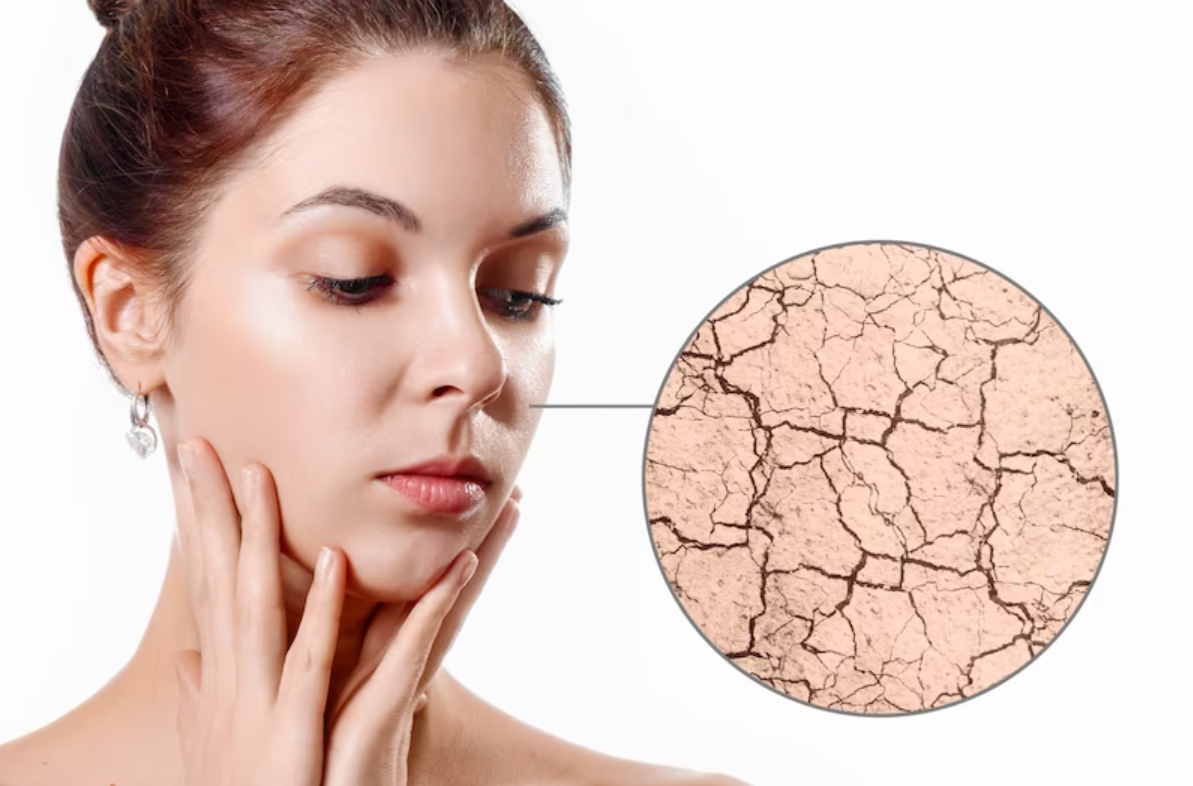
The Impact of Age on Skin Moisture Levels
Our skin changes significantly as we age, especially in terms of moisture content, which can have an impact on the general health and appearance of our skin. Here, we explore how ageing affects skin hydration and offer tips for staying properly hydrated throughout life.
1. Youthful Hydration: Because collagen and elastin are produced in large quantities throughout our younger years, our skin is naturally plump, firm, and well-hydrated. Additionally, sebaceous glands generate a lot of oil, which helps maintain a lipid barrier that keeps moisture in.
2. Declining Moisture Retention: The skin’s capacity to hold onto moisture decreases as we get older, especially throughout our 20s. Reduced firmness and elasticity result from a slowdown in the formation of collagen and elastin.
Sebum production also decreases, which weakens the lipid barrier and makes the skin more vulnerable to dryness.
3. Thinning Epidermis: As we age, our skin’s outermost layer, the epidermis, thins and becomes more vulnerable to environmental harm and moisture loss.
4. Environmental Factors: Age-related moisture loss can be made worse by environmental factors like pollution, sun exposure, and bad weather, which speeds up the development of wrinkles, fine lines, and age spots.
It is imperative to implement a proactive skincare regimen customised to your individual requirements in order to fight the effects of ageing on skin hydration.
Skincare Ingredients to Avoid for Dry Skin: Harsh Chemicals and Fragrances
For people with dry skin, Dry Skin: Causes and Solutions the appropriate skincare products is essential to avoiding irritation and preserving moisture. Here, we identify essential ingredients to avoid because they may exacerbate dryness and jeopardise the integrity of your skin.
1. Harsh Surfactants: Substances that deplete natural oils, such as sodium lauryl sulphate (SLS), can leave skin feeling tight and dry.
2. Alcohol: Products containing alcohol may damage the lipid barrier of the skin, increasing moisture loss.
3. Fragrances and Essential Oils: Some allergens in fragrances can exacerbate dryness and cause inflammation.
4. Synthetic Fragrance: Artificial scents have the potential to irritate skin and trigger allergic reactions.
5. Drying Alcohols: Some alcohols, such as denatured alcohol, can cause irritation and dryness.
To restore moisture and promote skin health, choose mild, fragrance-free lotions that contain moisturising components like hyaluronic acid and natural oils.
You may prevent dryness and encourage a healthy complexion on your skin by staying away from strong chemicals and scents.
Building an Effective Skincare Routine for Dry Skin
Creating the ideal skincare regimen is crucial to preventing dryness and preserving the hydration of your skin. Here’s a step-by-step guide to creating a regimen that works for your dry skin.
1. Gentle Cleaning: To begin, use a cleanser that is mild enough to eliminate pollutants without removing natural oils. Seek for moisturising formulations devoid of abrasive surfactants, such as sulphates, as these may exacerbate skin dehydration.
2. Hydrating Toners: Use a hydrating toner to bring back moisture and prepare your skin for makeup application. For skin that draws and holds onto water, use humectant-rich products without alcohol, such as those containing hyaluronic acid.
3. Moisturising Serums: Apply a moisturising serum rich in antioxidants, glycerin, and ceramides, among other nourishing components. These powerful formulas give extreme hydration and aid in the repair of the skin’s moisture barrier by penetrating deeply into the skin.
4. Thick Moisturisers: Use a thick, emollient moisturiser designed especially for dry skin to lock in moisture. Seek for components that offer sustained hydration and prevent moisture loss, such as squalane, jojoba oil, and shea butter.
5. Sun Protection: Even on overcast days, remember to slather on a broad-spectrum sunscreen with an SPF of 30 or higher every morning. Select a mild, non-comedogenic sunscreen because UV radiation can worsen dryness and severely dehydrate your skin.
6. Nourishing at Night: To restore moisture to your face while you sleep, use a nourishing facial oil or an overnight mask to your skin before going to bed. With the help of these intense treatments, dry, damaged skin can be repaired and rejuvenated, giving you a more radiant face in the morning.
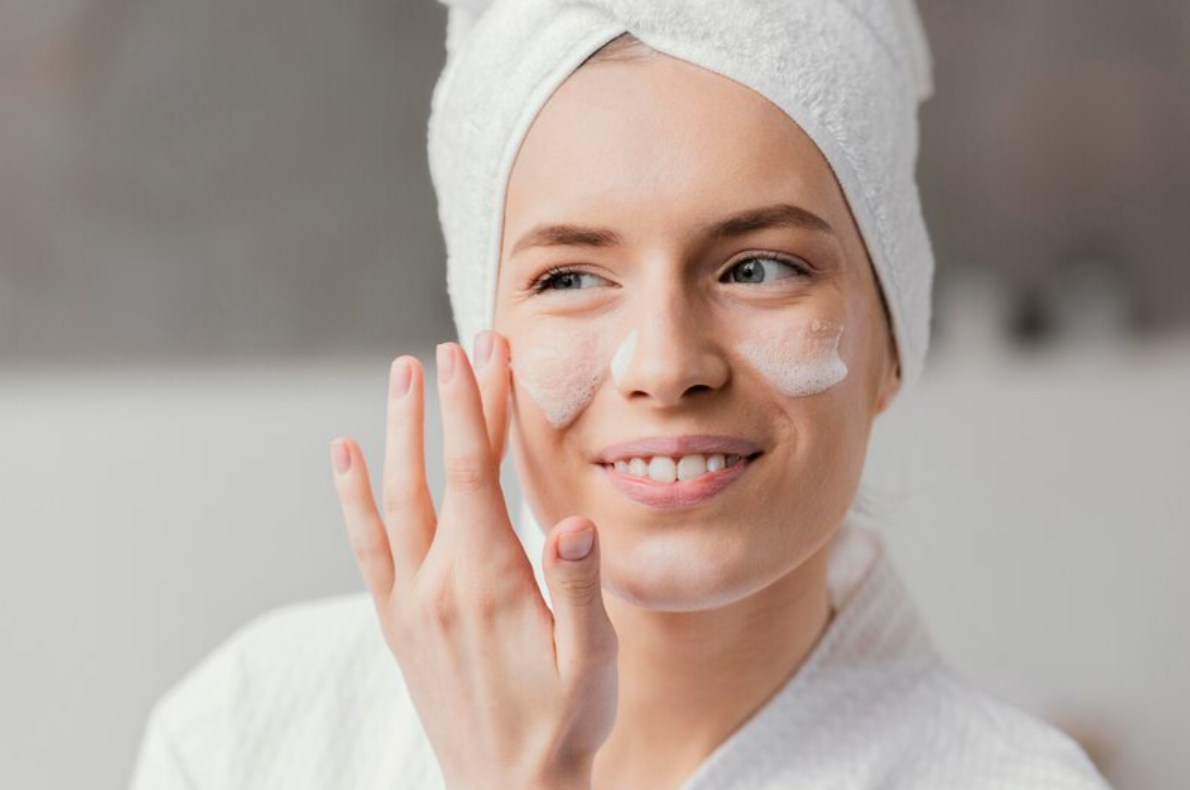
Choosing the Right Moisturizer: Creams, Lotions, and Serums
Choosing the ideal moisturiser is essential for taking care of dry skin. To assist you in finding the right fit, the many cream, lotion, and serum options are broken down here.
1. Creams: Creams, being rich and emollient, are perfect for providing dry skin with deep moisture. If you’re looking for substances that replace moisture intensely, look for ceramides and shea butter.
2. Lotions: Having a lighter texture than creams, lotions hydrate the skin without leaving it feeling weighed down. To draw moisture to the surface of the skin, use products that contain humectants, such as glycerin.
3. Serums: Serums penetrate deep into the skin to provide powerful hydration and nourishment. They are lightweight and quickly absorbed. Select serums containing vitamin E and hyaluronic acid to increase moisture content and provide antioxidant defence.
You may select the ideal moisturiser to keep your skin moisturised and healthy by being aware of the variations between creams, lotions, and serums.
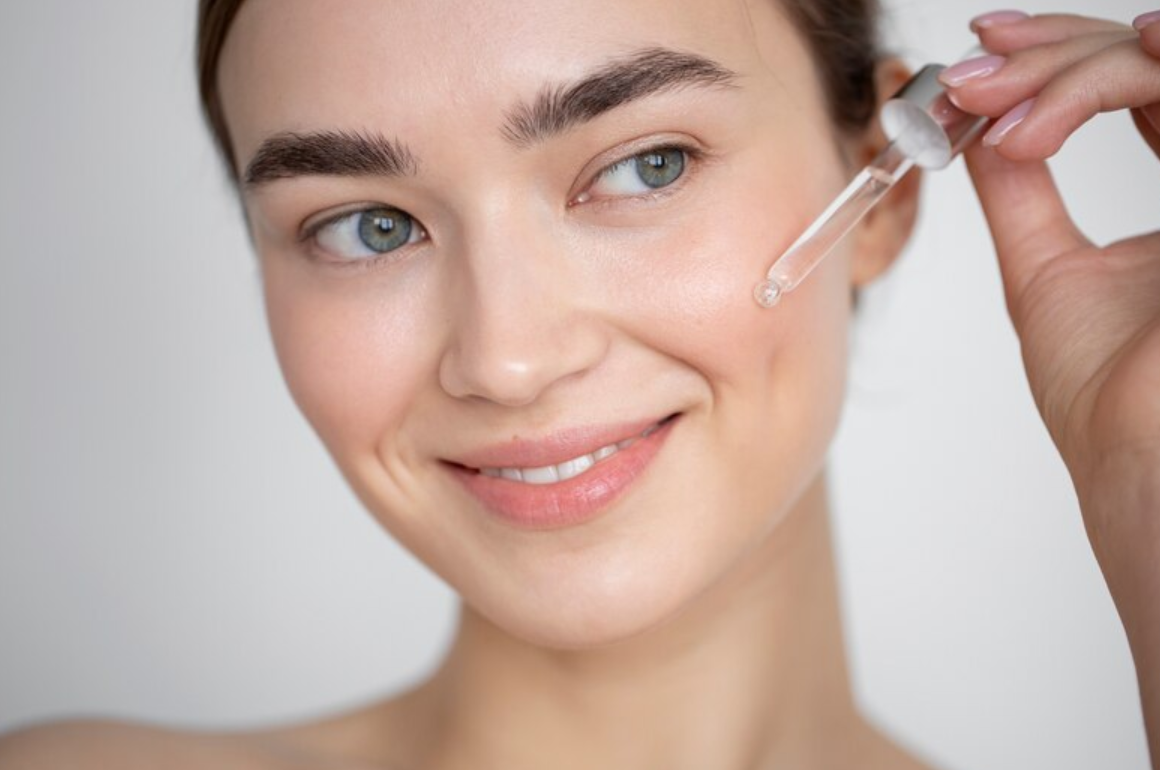
Hydration from Within: The Importance of Drinking Water for Skin Health
In order to keep your skin hydrated and healthy, you must drink enough water. Why it’s so important to stay hydrated internally:
1. Moisture Retention: Water increases the suppleness and decreases dryness of skin cells by hydrating them from the inside out.
2. Toxin Removal: Drinking enough water aids in the body’s natural detoxification processes, which help get rid of toxins that can aggravate skin conditions like dullness and acne.
3. Skin Renewal: Water is essential for encouraging cell renewal and turnover, which results in a complexion that is more youthful and luminous.
In order to maintain moisturised and radiant skin from the inside out, make sure you drink enough of water throughout the day.
Seeking Professional Help: When to Consult a Dermatologist for Persistent Dry Skin Issues
Dry Skin: Causes and Solutions , Even though many cases of dry skin can be successfully treated at home, there are situations in which consulting a dermatologist is imperative. Dry Skin: Reasons and Remedies give a few indicators that it’s time to make an appointment for a consultation:
Severe or Persistent Dryness: You should see a doctor if your dry skin doesn’t go away even after using moisturisers and other natural treatments. This could indicate an underlying skin condition.
2. Itching and Irritation: If dry skin is accompanied by excessive itching, redness, or irritation, it may be an indication of an allergic reaction, an infection, or an inflammatory skin condition that requires diagnosis and treatment by a specialist.
3. Cracked or Bleeding Skin: Excessive dryness raises the possibility of infection by causing the skin to crack and bleed. A dermatologist is qualified to treat wounds properly and suggest measures to avoid complications.
4. Changes in Skin look: To rule out serious skin conditions like skin cancer, any changes in your skin’s look, such as new moles, lesions, or discoloured patches, should be examined by a dermatologist.
5. Impact on Daily Life: Seeing a dermatologist can help you find relief and enhance your general well-being if dry skin has a major negative influence on your quality of life by causing pain, discomfort, or emotional distress.
Recall that specialists with training in dermatology are capable of diagnosing and treating a broad variety of skin disorders. If your at-home solutions aren’t working for your persistent dry skin troubles, don’t be afraid to seek their assistance.