SUPPLEMENTS FOR MEN

 BEAUTY RANGE
 ENERGY METABOLISM
 HEART & BRAIN HEALTH
 SLIMMING RANGE
 SHAMPOO
 CONDITIONER
 NOURISHMENT
 OIL
OIL SERUM
SERUM



Acne No More: Proven Strategies for Clear Skin


Acne No More: Proven Strategies for Clear Skin Identifying Causes and Triggers delves into the fundamental aspects of acne, shedding light on the various factors that contribute to the development of this skin condition. The focus is on providing readers with a comprehensive understanding of what causes acne and the triggers that can exacerbate or initiate its occurrence.
Key points to explore within this section may include:
Points for Acne No More: Proven Strategies for Clear Skin are:
Overview of Acne Causes: Discussing the primary reasons behind acne, such as excess sebum production, clogged pores, and the role of bacteria.
Hormonal Influences: Exploring how hormonal fluctuations, especially during puberty, menstruation, or other life stages, can contribute to acne breakouts.
Genetic Factors: Discussing how acne is inherited and how having a family history of the condition can make one more likely to get acne.
Lifestyle and Environmental Triggers: Investigating external factors such as nutrition, stress, pollution, and skincare routines that may cause or exacerbate acne.
Understanding distinct Types of Acne: Describes the potential reasons and triggers for distinct forms of acne, including papules, cysts, whiteheads, and blackheads.
Common Myths: Busting the Myths Around Acne Causation to Give the Truth About What Actually Contributes to Its Development.
Through a comprehensive examination of these facets, the article seeks to equip readers with the necessary knowledge to make well-informed decisions regarding their skincare regimens and lifestyle choices in order to successfully treat the causes and triggers of acne.
Building Your Defense: Establishing a Consistent Skincare Routine
The section “Building Your Defense: Establishing a Consistent Skincare Routine” advices on how to fortify their defenses against acne by establishing a dependable and organized skincare routine. Below is a description of Acne No More: Proven Strategies for Clear Skin:
- Importance of Consistency: Stress the value of a regular skincare regimen in treating and avoiding acne. Maintaining consistency is essential for skincare products to continue to function well over time.
- Simple Steps for Skincare: Describe the basic elements of a daily skincare regimen, including as the toning, treating, moisturising, and cleansing steps. Describe how each process helps to avoid acne and preserve good skin.
- Selecting the Correct Products: Offer advice on making skincare product choices that are appropriate for various skin types. This could entail choosing non-comedogenic goods, being aware of substances, and staying away from harsh chemicals.
- Customising the Process: Recognise that every person has different skin, therefore a one-size-fits-all strategy might not work for everyone. Urge readers to customise their skincare regimens according to their unique needs and skin issues.
- Night vs. Morning Routines: Make a distinction between your skincare regimens in the morning and the evening, emphasising the particular items and actions that are appropriate for each time of day.
- Sun Protection: Highlight how crucial it is to use sun protection in your regular skincare regimen to ward off UV rays. Which can exacerbate acne and cause post-inflammatory hyperpigmentation.
- Hydration: Talk about how hydration helps to keep skin healthy and how it can give you a clear, balanced complexion.
- Monitoring and Modifying: Urge readers to keep an eye on the results of their skincare regimen and adapt as necessary.
Diet Matters: Nourishing Your Skin from the Inside Out
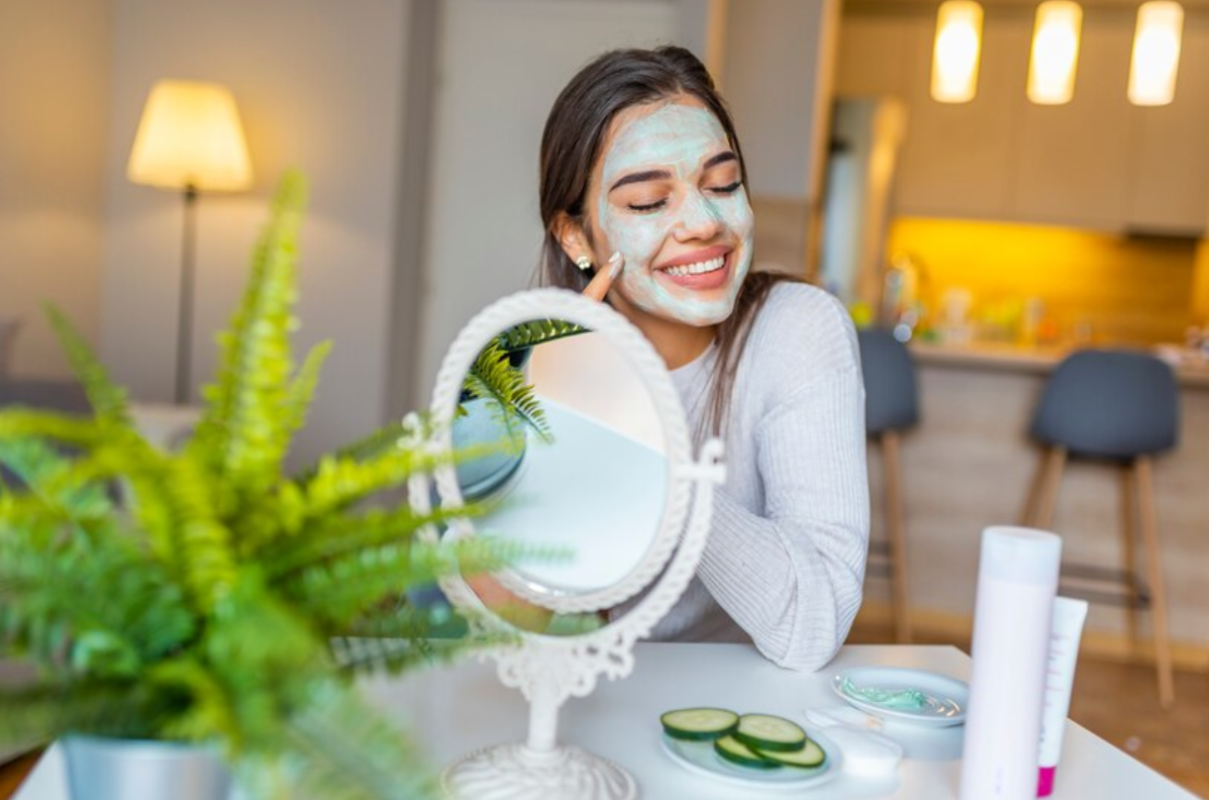
Beyond topical treatments, maintaining good skin involves feeding your body from the inside out with a balanced diet. Our dietary decisions are a major factor in preserving the health of our skin. These are important things to remember:
To start with, hydration is essential. A clear complexion is encouraged by drinking enough water to keep your skin moisturised and aid in the removal of pollutants.
Second, include antioxidant-rich fruits and vegetables such as leafy greens and berries. These fight free radicals, which are linked to skin problems.
Moreover, eat omega-3 fatty acids, which are present in walnuts, flaxseeds, and seafood. These lipids lessen inflammation and maintain the suppleness of the skin.
It’s critical to reduce sugar and processed food intake. Excessive sugar intake can exacerbate acne by increasing inflammation and oil production.
Finally, make sure you’re getting enough vitamins and minerals. Nuts, seeds, and vegetables include zinc, vitamin A, and vitamin E, which support general health and skin regeneration.
In conclusion, maintaining a healthy, nutrient-rich diet goes hand in hand with exterior skincare initiatives by fostering a clear, bright complexion from the inside out.

Targeted Treatments: Proven Solutions for Different Types of Acne
Knowing the exact type of acne you have is essential to effectively treating it. In order to give readers focused techniques for clearer skin, this section, “Targeted Treatments,” examines tried-and-true remedies designed to address various acne symptoms.
- Identifying Acne Types:
From whiteheads and blackheads to more severe kinds like papules and cysts, acne comes in several shapes. Selecting the right therapies is aided by knowing the precise type. - In-Counter Solutions:
Salicylic acid and benzoyl peroxide, two common components in over-the-counter acne treatments, work wonders for mild cases of acne. These may aid in pore cleaning and inflammation reduction. - Medications on Prescription:
A dermatologist may prescribe prescription drugs such oral antibiotics or topical retinoids to treat the underlying causes of moderate to severe acne. - Spot Treatments: Spot treatments might be useful for treating specific imperfections. In order to rapidly diminish the size and redness of a pimple, these treatments frequently include larger concentrations of active substances.
- Specialized Hormonal Acne Treatments:
Hormonal treatments, such as birth control pills or drugs that manage hormone levels, may be beneficial for treating hormonal acne, which is frequently characterized by deep, cystic pimples. - Professional Procedures: Chemical peels and laser therapy are examples of in-office procedures that can be useful in treating post-inflammatory hyperpigmentation and obstinate acne.
- Acclimating to Skin Sensitivity: Recognize that every person has different levels of skin sensitivity.
Lifestyle Adjustments: Stress, Sleep, and Clear Skin Connection
Stress:
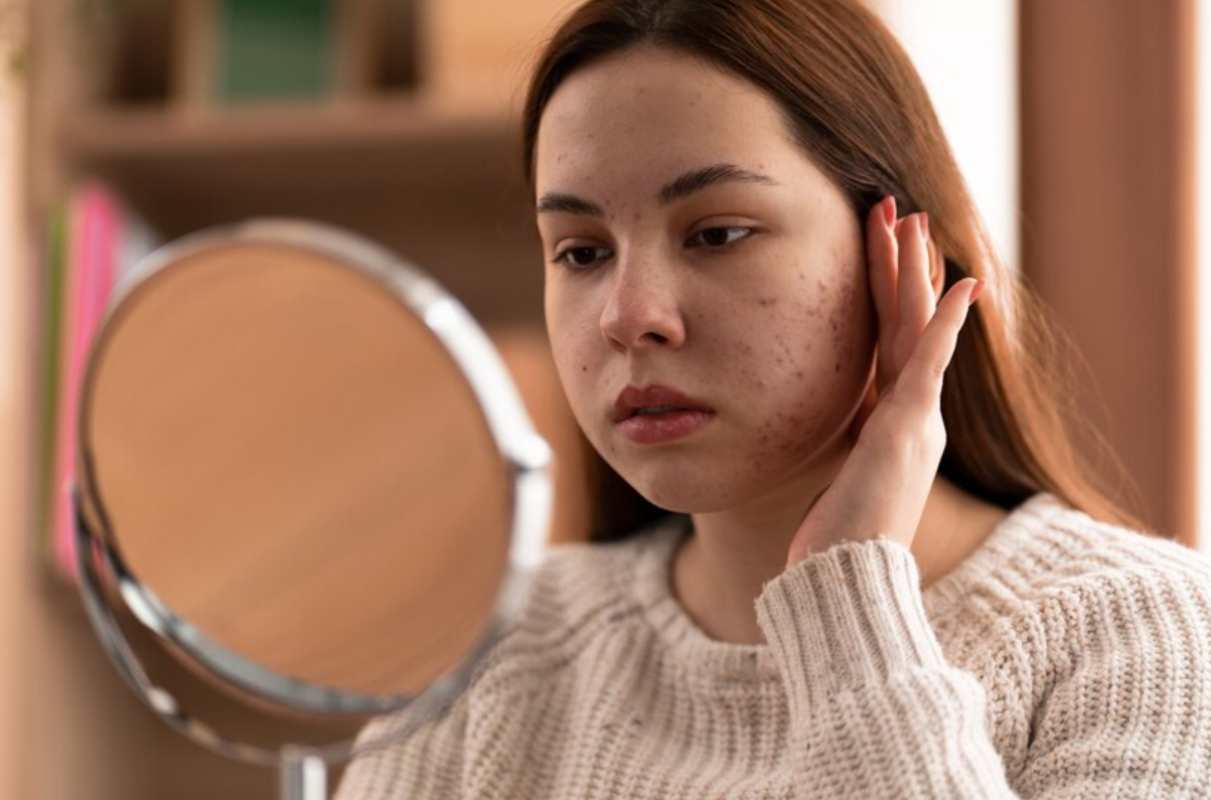
Making lifestyle changes is essential to achieving clear skin. There is a substantial correlation between stress, sleep, and the health of the skin. First and foremost, accept that long-term stress can be a cause of breakouts from acne. Additionally, it causes the hormone cortisol to be released, which increases the production of oil and clogs pores. Incorporate stress-reduction strategies like deep breathing, meditation, or regular exercise into daily routines to interrupt this pattern.
Sleep:
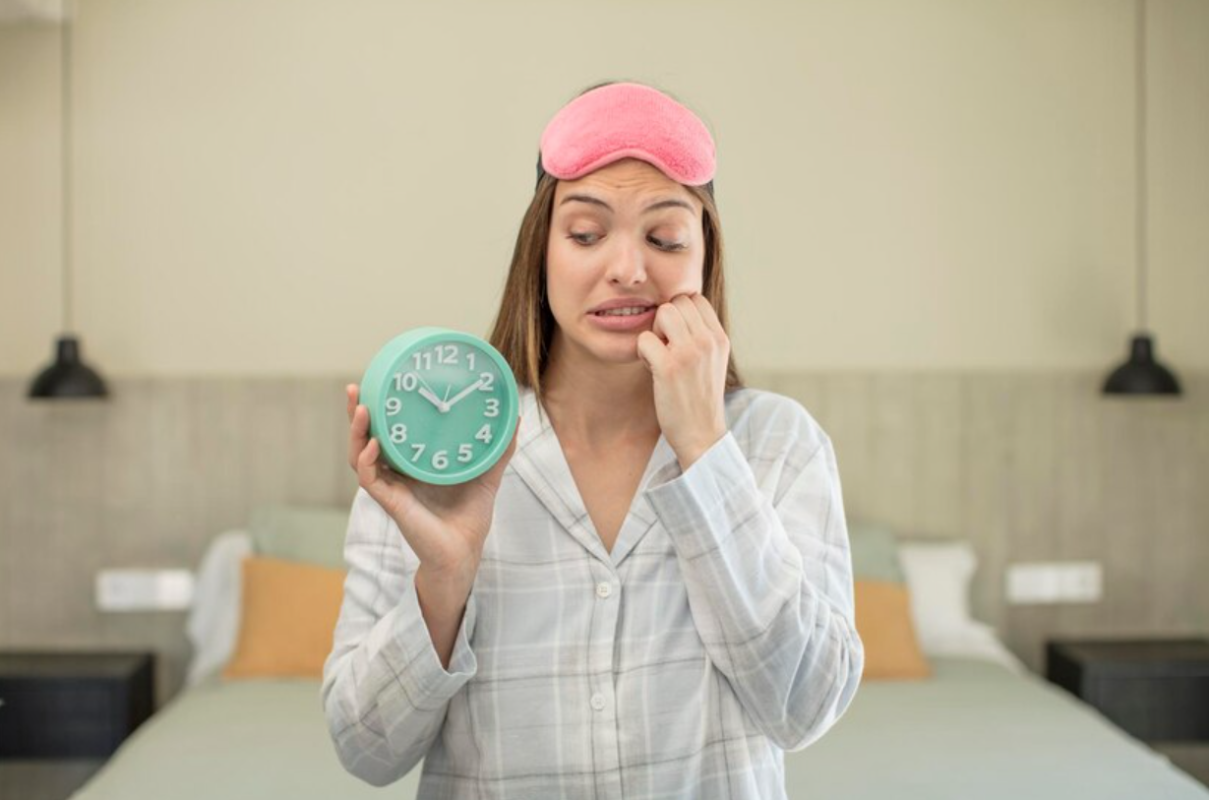
Moving on to the subject of sleep, it’s important to realize that getting too little sleep inhibits the skin’s capacity to repair itself. It also throws off the delicate hormone balance, which raises the risk of breakouts and inflammation. Therefore, to maximize skin regeneration and general well-being, prioritize maintaining a regular sleep pattern. Aim for 7-9 hours each night.
Diet:
Dietary changes are part of the lifestyle improvements made in the pursuit of clear skin. For example, a diet high in vitamins, antioxidants, and omega-3 fatty acids helps support healthy skin. On the other hand, a diet heavy in sugar and processed foods can worsen inflammation and cause acne. Therefore, stressing the importance of a healthy, balanced diet is essential for maintaining bright, glowing skin.

In conclusion, awareness of the effects of stress, the necessity of restful sleep, and the contribution of a nutritious food enables people to actively modify their lifestyles. These adjustments, together with a successful skincare regimen, create a comprehensive strategy for obtaining and preserving bright, clear skin.
Choosing the Right Products: Ingredients That Combat Acne Effectively
In the fight against acne, choosing the appropriate skincare products is crucial. First, look for products that contain Salicylic Acid: An Effective Acne Fighter. This chemical helps to prevent breakouts, clears excess oil from pores, and unclogs them. Cleansers such as Neutrogena Oil-Free Acne Wash are among the examples.
Going to Benzoyl Peroxide: A Blemish Buster, another powerful component. This reduces inflammation and eradicates the microorganisms that cause acne. Well-liked options consist of Clean & Clear Persa-Gel 10.
In addition, it is imperative to include Retinoids: The Skin Renewal Agents in your goods. These vitamin A derivatives encourage cell turnover, which keeps pores clear and lessens acne outbreaks. This group includes over-the-counter products like Differin Gel and prescription retinoids like tretinoin.
More, look for goods that include Niacinamide: The Calming Compound. Niacinamide, which has anti-inflammatory qualities and is present in products like La Roche-Posay Effaclar Duo, relieves sensitive skin.
Finally, don’t undervalue the importance of non-comedogenic, mild moisturisers. We carry moisturisers that hydrate without blocking pores, like as Cetaphil and Cerave.
In summary, selecting skincare products with proven components is essential to an effective anti-acne regimen. Using retinoids, niacinamide, salicylic acid, benzoyl peroxide, and mild moisturizers can build a potent arsenal to fight acne and support clear, healthy skin.
Holistic Approaches: Integrating Natural Remedies for Clearer Skin
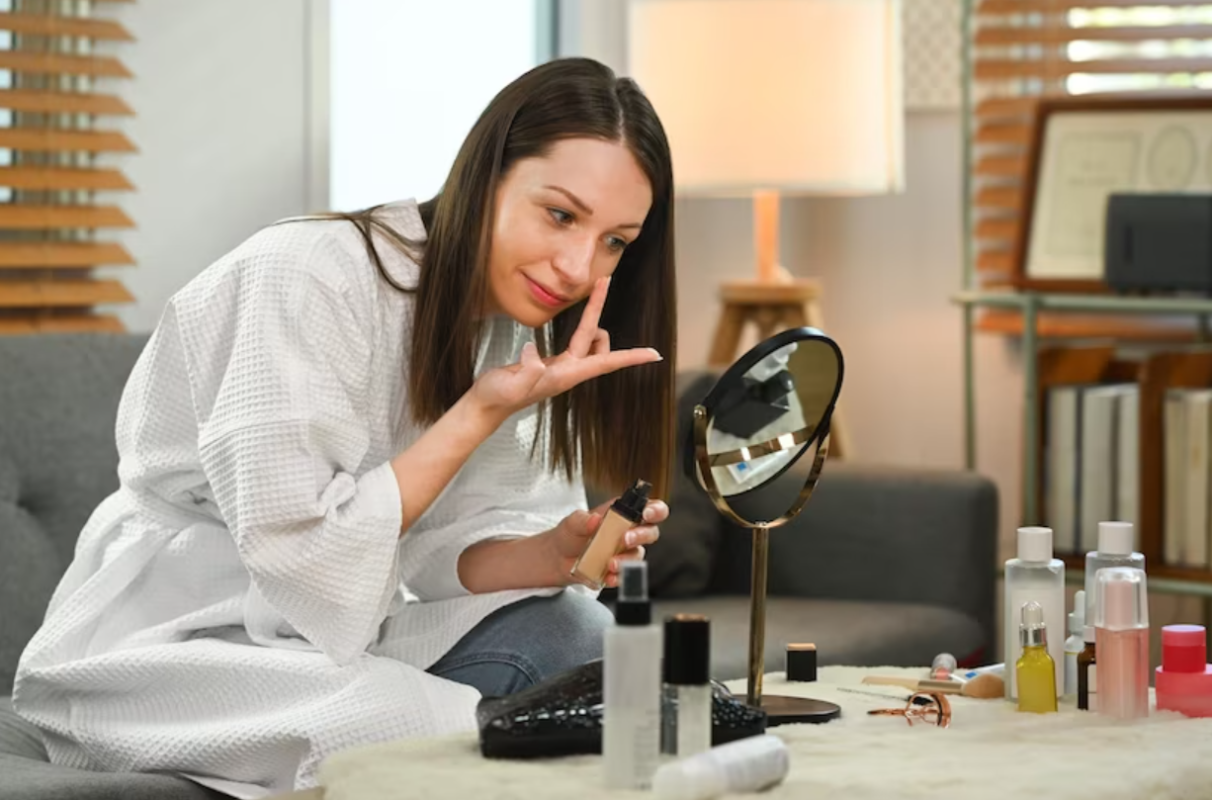
Holistic methods that incorporate natural therapies provide a gentle and long-lasting route to clearer skin. Examine the advantages of Tea Tree Oil: Nature’s Antiseptic first. This essential oil works well to treat acne since it has antimicrobial qualities. Applying a few drops in combination with a carrier oil produces an easy spot treatment.
Let’s go on to Aloe Vera, the soothing succulent, another buddy of nature. Its anti-inflammatory qualities help soothe inflamed skin and accelerate the healing process. Use raw aloe vera gel or seek for skincare products that have this herb in them.
Additionally, take into account honey’s power: liquid gold for skin health. Honey has antimicrobial and antioxidant qualities that make it useful for use as a mask or spot therapy. For optimal advantages, honey that is raw and organic is suggested.
Discover more about the advantages of green tea extract by reading Antioxidants in Action. The antioxidants in green tea help combat acne-causing germs and lessen inflammation. Look for skincare items or use green tea to make a homemade toner.
Adding Witch Hazel, Nature’s Astringent, can also help tone the skin and lessen inflammation. To prevent any irritation, select a witch hazel product that is alcohol-free.
Finally, adopt the holistic philosophy of balanced nutrition, which states that “internal glow reflects externally.” Overall skin health is supported by a diet high in fruits, vegetables, and Omega-3 fatty acids. Rich diets rich in leafy greens, avocados, and salmon can promote a glowing complexion.
Dermatologist-Recommended Strategies for Acne-Free Skin
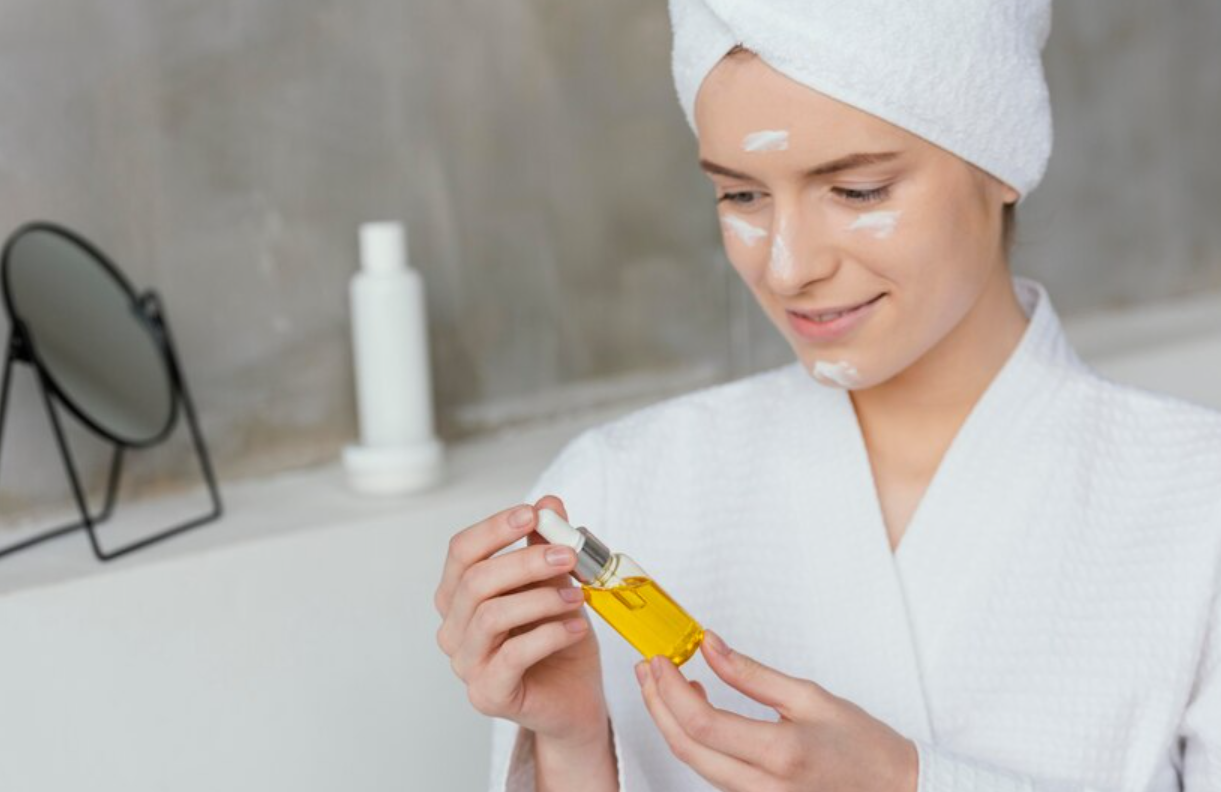
Expert Advice: for Acne No More: Proven Strategies for Clear Skin Dermatologist-Recommended Strategies for Acne-Free Skin” offers insightful commentary from experts in the field of skincare. Dermatologists advise individualized skincare regimens that prioritize non-comedogenic moisturizers, targeted treatments like benzoyl peroxide or retinoids, and mild cleansers. They emphasize the value of regular routines, appropriate sun protection, and staying away from harsh do-it-yourself treatments. Adhering to dermatologist-endorsed techniques guarantees a scientifically supported method for attaining and preserving clear, healthy skin.