SUPPLEMENTS FOR MEN

 BEAUTY RANGE
 ENERGY METABOLISM
 HEART & BRAIN HEALTH
 SLIMMING RANGE
 SHAMPOO
 CONDITIONER
 NOURISHMENT
 OIL
OIL SERUM
SERUM



Skincare Routine for Oily Skin

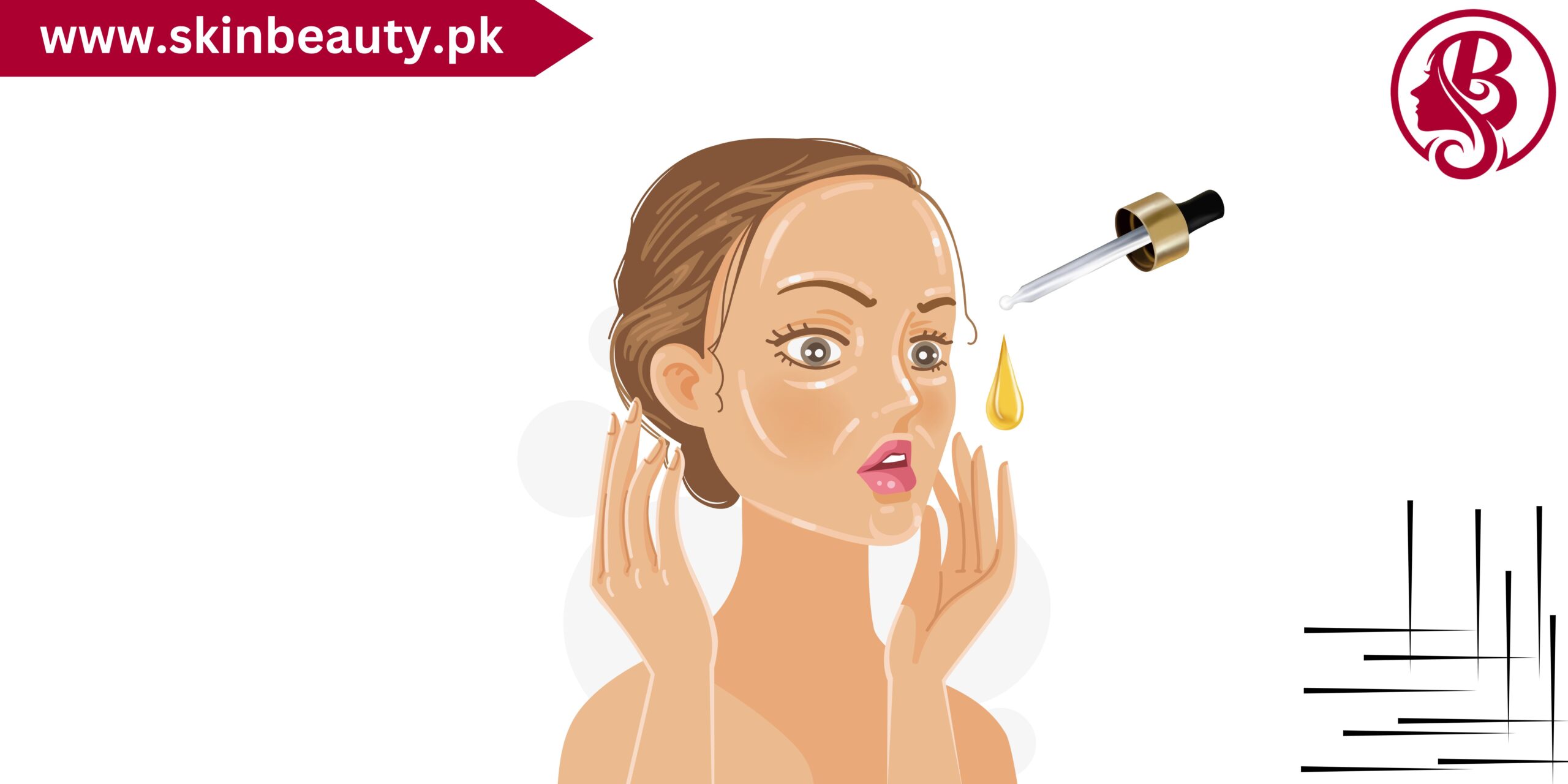
Skincare Routine for Oily Skin, Are you tired of fighting off breakouts and glossy skin all the time? With this comprehensive guide to creating the ideal skincare routine, bid adieu to the problems associated with oily skin. We are aware of the particular difficulties associated with excessive sebum production, and our all-encompassing strategy is designed to specifically address those issues.
We explore the science behind oily skin in our in-depth piece, assisting you in understanding why your skin generates too much oil and what circumstances could make the problem worse. With this understanding, you’ll be more capable of selecting skincare products that are genuinely suitable for your skin type and making well-informed decisions regarding your regimen.
Our guide covers every stage of the skincare routine, from cleansers to moisturisers, and provides professional advice and product recommendations along the way. Discover cutting-edge treatments made to prevent oiliness without depriving your skin of vital moisture, as well as which ingredients to seek for (and which to avoid) in your skincare products.
Whether you have recurring acne or just the odd shine, our oily skin skincare program will help you get a healthy, balanced complexion. Welcome to bright, clear skin and relish your newfound self-assurance as you continue on your skincare path.
Understanding Oily Skin: Causes and Factors
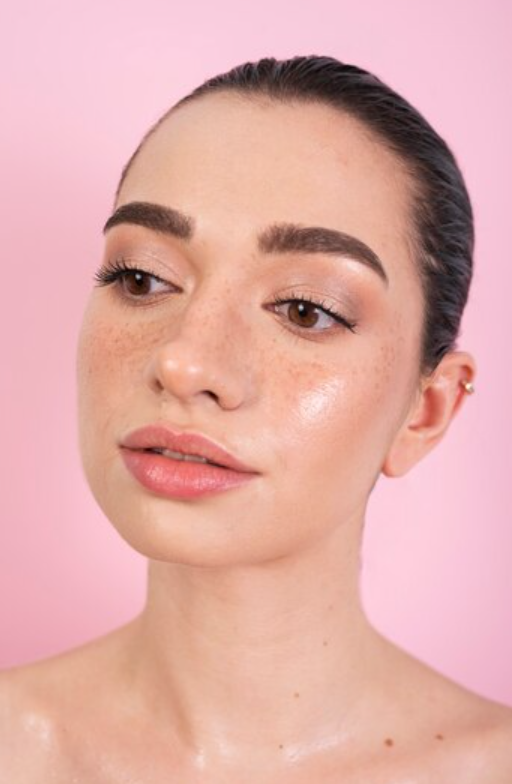
Having a solid understanding of “Understanding Oily Skin: Causes and Factors” is essential to creating a skincare routine that works. Excess sebum production from the sebaceous glands, which naturally lubricates and protects the skin, results in oily skin. This overproduction is caused by a number of reasons, thus understanding the fundamental causes is crucial.
Genetics is a major contributing factor to oily skin. Sebum production levels are largely influenced by family history, thus those who have a family history of oily skin are more likely to have it themselves. Hormonal changes can also cause an increase in sebum production, which can result in oily skin, especially during adolescence, menstruation, pregnancy, and menopause.
Humidity and temperature are two environmental factors that might make oily skin worse. While dry temperatures may cause the skin to overcompensate by producing excess sebum to maintain hydration levels, warm, humid weather can stimulate the sebaceous glands to generate more oil. Furthermore, the natural equilibrium of the skin can be upset and oiliness increased by exposure to irritants and pollutants.
Moreover, skincare regimens and products are essential for controlling oily skin. When the skin is stripped of its natural oils by harsh cleansers or excessive exfoliation, it produces extra sebum to make up for it. On the other hand, using non-comedogenic, lightweight products designed especially for oily skin can help control oil production and preserve a balanced look.
People may choose skincare products wisely and create a customized routine if they are aware of the causes and contributing factors to oily skin. It is possible to properly regulate oiliness and attain a brighter, more luminous skin by using the appropriate technique.
The Role of Sebum: How Oil Production Works
Knowing how sebum functions is essential to understanding how the skin produces oil. The sebaceous glands naturally create sebum, which is essential for lubricating and protecting the skin. Numerous elements, such as hormones, genetics, and environmental effects, affect this process.
Sebum production levels are largely influenced by genetics, since certain people are predisposed to have dry or oily skin. Hormonal changes can cause increased sebum production, which can result in oily skin, especially during puberty, menstruation, pregnancy, and menopause.
Sebum is secreted onto the skin’s surface by hair follicles from the sebaceous glands. By preventing dehydration and shielding the skin from outside aggressors, sebum aids in the maintenance of the skin’s moisture barrier. On the other hand, excessive sebum production can result in greasy skin, blocked pores, and acne flare-ups.
Oily skin care regimens that work well typically concentrate on controlling sebum production and preserving a balanced complexion. To do this, use mild cleansers to get rid of extra oil and pollutants without removing the skin’s natural oils. Using treatments containing retinoids or salicylic acid can help reduce oiliness and stop breakouts.
Important Elements Affecting the Production of Sebum:
– Genetics: Predispositions to dry or oily skin types that are inherited.
– Hormonal fluctuations: Especially in the menopause, puberty, pregnancy, and menstrual periods.
– Environmental factors: Temperature and humidity, for example.
Sebum’s Function in Skin Health:
– Protects and lubricates the skin.
– Preserves the moisture barrier of the skin.
– Guards against aggressors from the outside.
Successful Oily Skincare Techniques:
1. Use mild cleaners to get rid of extra oil and contaminants.
2. Include products that contain retinoids or salicylic acid.
3. Steer clear of strong cosmetics that remove natural oils from the skin.
4. To control sebum production, stick to a balanced skincare regimen.
Identifying Your Skin Type: Is It Truly Oily?
It’s important to determine your skin type correctly in order to choose the right products and treatments. Here are some tips for figuring out whether your skin is actually oily and what signs to look out for:
Comprehension of Oily Skin:
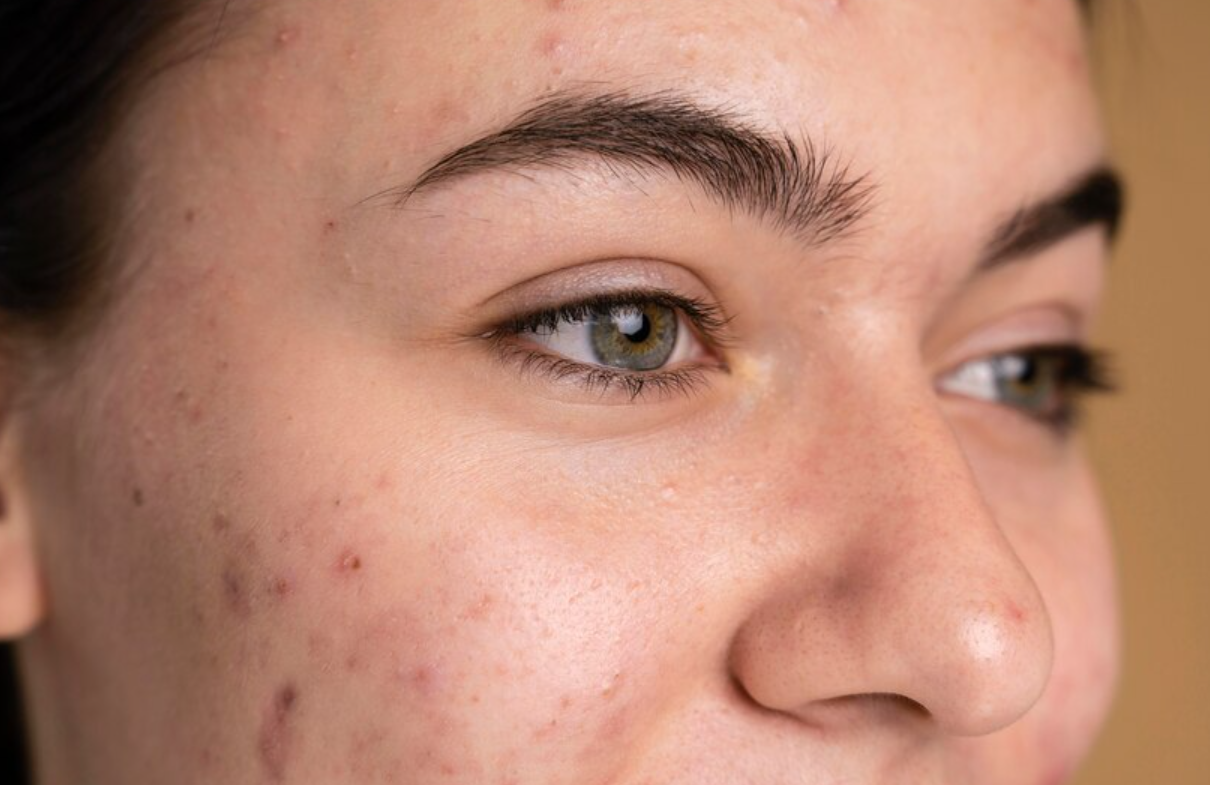
Sebum, the natural oil secreted by the sebaceous glands, is overproduced in oily skin. Excessive oil production can result in larger pores, a glossy face, and an increased risk of acne breakouts. People who have oily skin frequently notice that their skin feels greasy, particularly in the T-zone (chin, nose, and forehead).
Determining Your Type of Skin:
Start by washing your face with a mild cleanser and patting it dry to see if your skin is actually greasy. Apply no skincare products for approximately one hour. Examine the appearance and feel of your skin after this period of time.
Indications of Sebaceous Skin:
– A shiny or oily face, especially around the T-zone.
– Larger pores that are frequently seen on the cheeks and nose.
– prone to pimples, especially whiteheads and blackheads.
– During the day, makeup tends to disappear or fade quickly.
Differenciating Elements:
Distinguishing between oily and other types of skin, including combination or dehydrated skin, is crucial. While some parts of combination skin, especially the T-zone, may feel oily, other parts may feel normal or dry. Dehydrated skin feels tight or scratchy, especially after washing, and lacks water instead of oil.
Speaking with a Dermatologist:
See a dermatologist if you’re unclear about your skin type or how to treat particular issues. A professional evaluation can give you important information about the requirements of your skin and assist you in creating a customized skincare regimen.
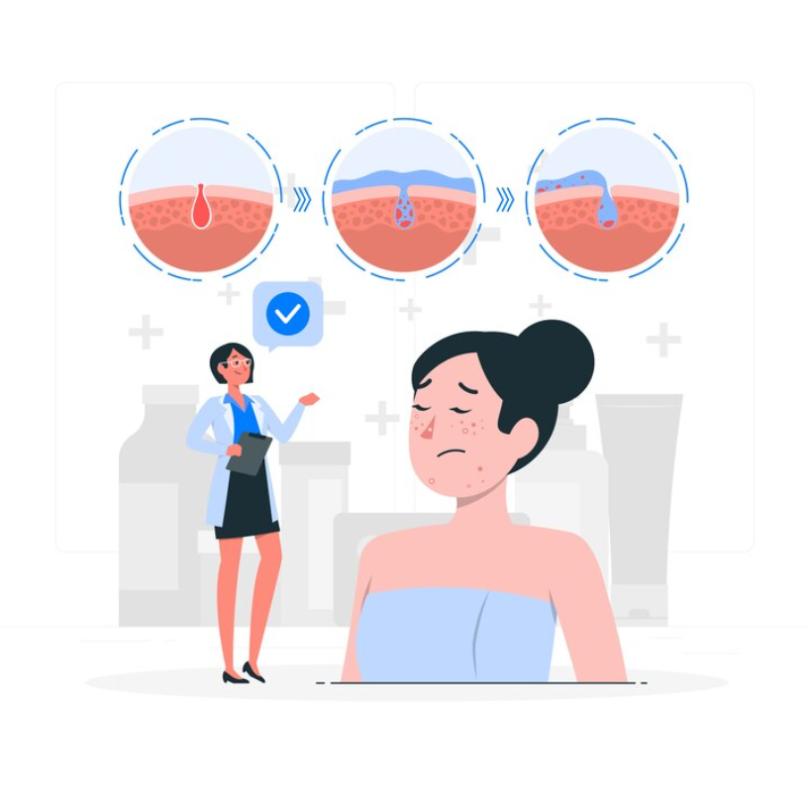
Common Challenges Faced by Those with Oily Skin
Although oily skin has advantages, such keeping a young appearance and delaying the ageing process, it also comes with a number of difficulties that people with this skin type frequently face. Maintaining a healthy complexion and efficiently controlling oily skin require an understanding of these problems. These are a few of the most typical problems that people with oily skin encounter:
Excess Shine:
The overbearing shine that frequently appears throughout the day is one of the most obvious problems associated with oily skin. Sebum overproduction can make skin appear oily and slippery, particularly around the chin, nose, and forehead.
2. Larger Pores:
Enlarged pores that can get clogged with more oil, grit, and debris are frequently linked to oily skin. More pore size increases the likelihood of congestion, which can result in outbreaks of blackheads, whiteheads, and acne.
3. Breakouts in Acne:
Because extra oil can block pores and function as a breeding ground for germs, people with oily skin are more prone to acne breakouts. Numerous skin lesions, such as papules, pustules, cysts, whiteheads, and blackheads, can be signs of acne.
4. Meltdown of Makeup:
Applying and maintaining makeup can be difficult for people with oily skin. Makeup may slide off or fade fast due to excess oil on the skin’s surface, giving the appearance of uneven and patchy.
Cleansing Essentials: Choosing the Right Cleanser
When selecting a cleanser for oily skin, take into account the following crucial factors:
1. Gel or Foaming Formulas:
For oily skin, gel or foamy cleansers work well at eliminating excess oil and pollutants without leaving a greasy aftertaste. Typically, the components in these products help regulate oil production and provide skin with a refreshed feeling.
2. Acid Salicylic:
Seek out cleansers that contain salicylic acid, a beta-hydroxy acid that is well-known for its capacity to breakdown oil and dirt and reach deep into pores. Salicylic acid is a great option for oily skin types because it helps clear clogged pores, stop acne, and improve overall skin texture.
3. Formulations Not Commedogenic:
Choose non-comedogenic cleansers instead, as they are made especially to avoid clogging pores. These cleansers are good for oily and acne-prone skin because they are less likely to worsen acne outbreaks or create more congestion.
4. Steer clear of harsh ingredients:
Steer clear of cleansers with harsh substances like alcohol, sulphates, and artificial perfumes because they can damage the skin’s moisture barrier and remove natural oils from the skin. Rather, go for mild yet efficient formulas that cleanse the skin without making it dry or irritated.
5. Formulas Without Oil:
To eliminate extra oil from the face without adding more, look for cleansers with the labels “oil-free” or “oil-control.” Oil-free cleansers keep the production of sebum in check and shield the skin from appearing oily or clogged.
6. Formulas with a pH Balance:
Select cleansers whose pH balance corresponds to the skin’s natural pH. The acid mantle, a barrier that shields the skin from bacteria and pollutants and retains moisture, is maintained by using a pH-balanced cleanser.

Exfoliation Techniques for Oily Skin
This helps avoid clogged pores, breakouts of acne, and dullness. To prevent over-exfoliating or irritating the skin, it is crucial to select the appropriate exfoliation methods and products. For oily skin, try these efficient exfoliating methods:
1. Salicylic Acid Chemical Exfoliation:
Salicylic acid is a beta-hydroxy acid (BHA) that is well-known for its capacity to dissolve extra oil and debris by penetrating deeply into the pores. For oily skin types, salicylic acid-containing products work wonders since they clear pores, stop acne.
2. Apply Cleansers with Exfoliation:
Include exfoliating cleansers in your skincare regimen; these should ideally contain mild exfoliating particles like rice bran or jojoba beads.
3. Using Scrubs for Mechanical Exfoliation:
Using physical exfoliants, such as scrubs or brushes, to physically remove dead skin cells and clear clogged pores is known as mechanical exfoliation.
4. Include a Cleaning Tool or Face Brush:
The deeper cleaning and buildup removal offered by facial brushes and other cleansing tools can improve exfoliation. To remove dirt, oil, and pollutants without dehydrating the skin, use these devices in conjunction with a mild cleanser made for oily skin.
5. Maximum Frequency of Exfoliation:
Exfoliation is necessary for oily skin, but it’s important to use it sparingly. To prevent removing the skin’s barrier of defence or irritating the skin, limit your weekly exfoliation to two to three times.
6. Exercise Gentleness:
Take care of your skin using mild exfoliation methods, whether you use mechanical or chemical ones. Steer clear of strong products that can irritate your skin or produce irritation when you scrub.
7. Drink Water After:
Always apply a moisturising moisturiser after exfoliating your skin to restore its moisture content and preserve its equilibrium. To stop oil from being produced excessively, look for lightweight, non-comedogenic moisturisers that are appropriate for oily skin.
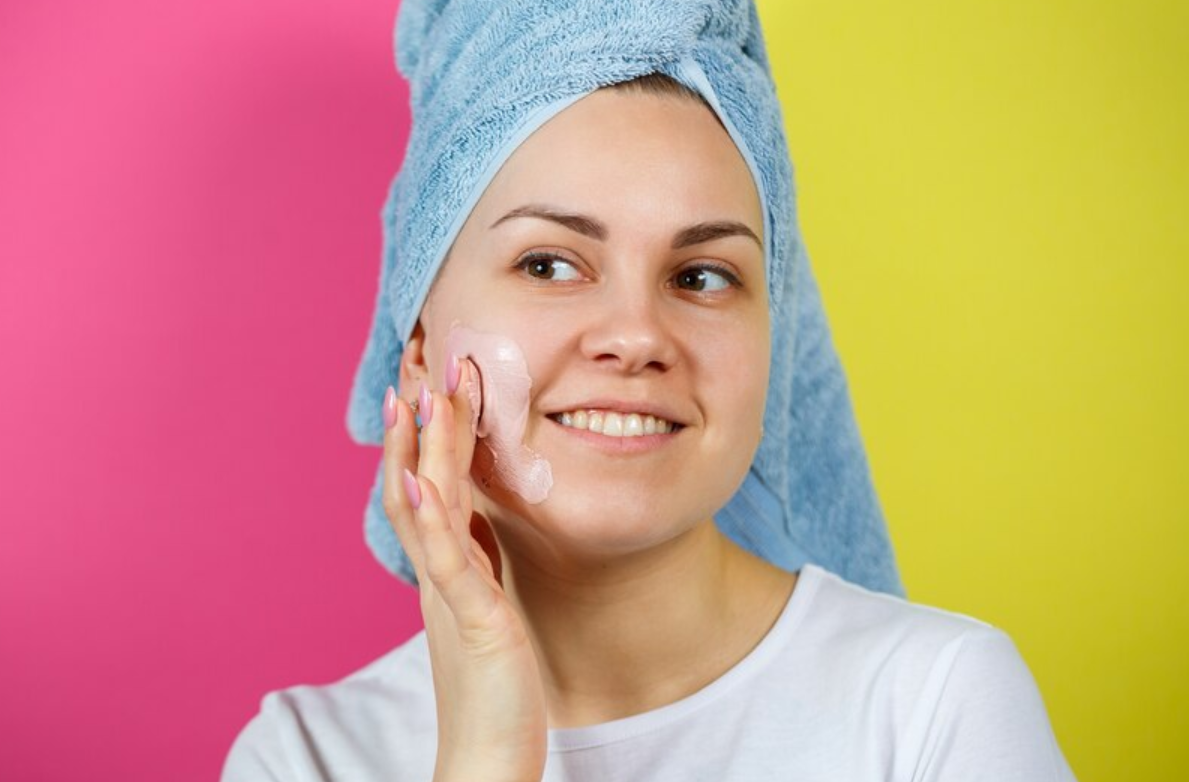
Hydration Matters: Finding the Perfect Moisturizer
In order to maintain equilibrium, stop acne outbreaks, excessive oil production, and other skin problems, oily skin still needs to be hydrated. Finding the ideal moisturiser for oily skin can be done as follows:
1. Seek for Formulas That Are Lightweight.
Choose oil-free, lightweight moisturisers made especially for combination or oily skin types. These formulations ensure that the skin feels comfortable all day long by providing needed hydration without adding excessive oil or heaviness.
2. Non-Medical Grade Substances:
Select moisturisers with the non-comedogenic label; this indicates that the product is made to avoid breakouts and congested pores. Scan for chemicals that moisturise the skin without clogging pores or aggravating acne, such as dimethicone, hyaluronic acid, and glycerin.
3. Formulations Based on Gel or Water:
Oily skin types benefit greatly from gel or water-based moisturisers because they penetrate fast into the skin and don’t leave a greasy aftereffect. These thin compositions are ideal for daily usage because they feel refreshing and instantly hydrate.
4. Ingredients for Mattifying:
Think about using moisturisers that have mattifying ingredients like silica or niacinamide, which help absorb extra oil and minimise shine all day. These components give the skin a matte finish, which gives the appearance of smoother, more balanced skin.
5. Steer clear of thick emollients:
Avoid using moisturisers with heavy emollients like mineral oil or petrolatum since they can feel occlusive and thick on oily skin, which can cause breakouts and congestion. Choose textures that are lighter and absorb into the skin more rapidly instead.
6. SPF Protection: To protect your skin from damaging UV rays, use a moisturiser with extra SPF protection. To prevent blocking pores, look for broad-spectrum sunscreens with an SPF of at least 30, and make sure the lotion is non-comedogenic and oil-free.
Targeted Treatments for Oily Skin Woes
There are several treatments available to properly address the problems associated with oily skin, ranging from minimising pores and preventing acne outbreaks to regulating excess oil. Consider the following specific treatments for the Skincare Routine for Oily Skin:
1. Serums for Oil Control:
Serums that contain chemicals like witch hazel, salicylic acid, or niacinamide can help control oil production and reduce shine all day long. These hydrating formulas go deeply into the skin to even out sebum production and smooth out pore appearance.
2. Masks made of clay:
Clay masks work wonders for detoxifying the skin, clearing clogged pores, and absorbing extra oil. Seek for masks that contain charcoal, bentonite clay, or kaolin clay, as these compounds help pull out impurities and leave the skin feeling mattified and revitalised.
3. Vitamin D:
Derived from vitamin A, retinoid derivatives are powerful chemicals in skincare products that are well-known for their capacity to control sebum production, promote cell turnover, and enhance skin texture.
4. Chemical Extraction:
Alpha-hydroxy or beta-hydroxy acid-containing chemical peels are an efficient way to exfoliate the skin, eliminate dead skin cells, and clear clogged pores.
5. Powders for Oil Control:
Oil-control powders that are translucent or coloured can be used to absorb extra oil and reduce shine all day. These powders are ideal for touch-ups while on the road since they mattify the skin without blocking pores or adding extra layers of makeup.
6. Acne Spot Treatments:
Spot treatments that target acne outbreaks and relieve inflammation can include chemicals like sulphur, salicylic acid, or benzoyl peroxide. These remedies aid in healing, help blemishes dry up, and stop new breakouts from starting.
7. Moisturisers that Regulate Sebum:
Excessive oiliness can be avoided and a balanced complexion can be maintained with the use of moisturisers designed to control sebum production.
Sun Protection for Oily Skin: Finding Lightweight Options
The following advice might help you choose the ideal light-weight sunscreen for Skincare Routine for Oily Skin:
1. Select Oil-Free Formulation:
Choose non-comedogenic or oil-free sunscreens made especially for oily or acne-prone skin. These formulations have a lighter texture and are less prone to cause excessive shine or clog pores.
2. Seek Formulas for Gel or Lotion:
Oily skin types benefit greatly from gel or lotion sunscreens because they quickly absorb into the skin and have a lighter consistency. These solutions offer broad-spectrum defence without producing an oily aftertear.
3. Examine Dry-Touch or Matte Formulas:
Oily skin types can benefit greatly from matte or dry-touch sunscreens because they absorb excess oil and leave the skin with a matte texture. These formulas offer a smooth foundation for makeup application and aid in controlling shine throughout the day.
4. Protection Across a Wide Spectrum:
Make sure the sunscreen provides broad-spectrum defence against UVA and UVB radiation. In order to successfully protect your skin from UV damage and lower your risk of sunburn and skin cancer, look for sunscreens with an SPF of 30 or higher.
5. Mineral Sunscreens that are lightweight:
Think about mineral sunscreens that are lightweight and have titanium dioxide or zinc oxide as the active component. Without irritating skin or clogging pores, these mineral-based formulas offer mild but efficient sun protection.
6. Sunscreens Based on Water:
Water-based sunscreens tend to feel lighter on the skin since they are manufactured with a higher water content. These formulations are ideal for oily or mixed skin types because they are less prone to exacerbate oiliness.
7. Use in Light Layers:
Apply the sunscreen in small layers, letting each coat absorb completely before applying the next, to avoid it feeling oily or heavy on the skin. This lessens the possibility of a thick, cakey texture and helps to guarantee even covering.

Skincare Ingredients to Look For (and Avoid)
For those with oily skin in particular, selecting the appropriate skincare products is crucial to preserving healthy, glowing skin. Knowing which compounds to avoid and which to search for will help you choose skincare solutions that properly treat your concerns. When treating oily skin, keep an eye out for and steer clear of the following essential for Skincare Routine for Oily Skin:
Suggested Ingredients:
1. Salicylic Acid: This beta-hydroxy acid (BHA) is well-known for its capacity to dissolve extra oil, unclog pores, and enter deeply into them. Salicylic acid is useful for treating acne, stopping outbreaks, and enhancing the texture of the skin in general.
2. Niacinamide (Vitamin B3): Enhances the skin’s barrier function, reduces pore size, and helps control the production of sebum. Because niacinamide has anti-inflammatory qualities as well, it’s perfect for reducing acne-related redness and inflammation.
3. Hyaluronic Acid: A moisturising agent that draws moisture to the skin and aids in preserving its hydration levels without the need for additional oil. Because hyaluronic acid is non-comedogenic and lightweight, it is appropriate for skin types that are oily.
4. Witch Hazel: A natural astringent that aids in reducing inflammation, tightening pores, and managing excessive oil production. Witch hazel is useful in preventing acne breakouts because it also possesses antimicrobial qualities.
5. Zinc: Assists in controlling the production of sebum and lessens acne-related irritation. Additionally, zinc possesses antibacterial qualities, which enable it to effectively target germs that cause acne and encourage skin healing.
Ingredients to Avoid:
Ingredients to Avoid for Skincare Routine for Oily Skin:
1. Mineral Oil: A thick, occlusive substance that can block pores and make oily skin look even oilier. Seek substitutes that are non-comedogenic and hydrate without clogging pores.
2. Alcohol: Strong alcohols, as SD alcohol 40 or denatured alcohol, can deplete the skin of its natural oils, which can cause dehydration and possibly increase the production of oil on the skin. Choose products that are made without alcohol or with fatty alcohols as the main ingredient.
3. Fragrance: Both synthetic and natural scents have the potential to aggravate and inflame skin, particularly in those with sensitive or acne-prone skin. To reduce irritation, choose for hypoallergenic or fragrance-free products.
4. Heavy Emollients: On oily skin, thick, occlusive substances like mineral oil or petrolatum might feel excessively heavy and possibly block pores. Seek for hydrating serums and moisturisers that are non-comedogenic, light, and don’t add extra oil.
5. Sodium Lauryl Sulphate (SLS): This harsh surfactant, which is frequently present in foaming agents and cleansers, can cause the skin’s moisture barrier to be disrupted and natural oils to be stripped off. Choose cleansers without sulphates to gently cleanse your skin without irritating or drying it out.
Daily Skincare Routine for Oily Skin: Step-by-Step Guide
The following is a detailed approach to Skincare Routine for Oily Skin:
1. Cleaning: – Begin your day with a mild, oil-free cleanser designed for oily skin types. To aid in clearing clogged pores and eliminating surplus oil and contaminants, seek for cleaning products that have glycolic or salicylic acid.
– Use circular motions to gently massage the cleanser over damp skin. Rinse well with lukewarm water. Steer clear of hot water since this might deplete the skin’s natural oils and cause more oil to be produced.
2. Toning: – Use a mild, alcohol-free toner to help balance the pH levels of the skin and get rid of any last bits of makeup or grime after cleansing. Seek for toners that minimise pores and help manage oiliness by using ingredients like niacinamide or witch hazel.
– Using a cotton pad, apply the toner and gently wipe it over your face and neck, paying particular attention to the chin, nose, and forehead—areas that are prone to oiliness.
3. Treatment (Optional): – You might want to include a targeted treatment in your routine if you have particular skincare issues, such acne or uneven skin tone. To help treat acne breakouts and enhance the texture of your skin, look for treatments that contain substances like retinoids or benzoyl peroxide.
– Before moving on to the next stage, apply the treatment to clean, dry skin, paying special attention to problem areas, and let it absorb completely.
4. Moisturising: – To preserve skin health and avoid dehydration, even oily skin types need to be hydrated. Use a lightweight, oil-free moisturiser. To prevent blocking pores, look for moisturisers labelled as oil-free or non-comedogenic.
– To get even coverage, apply a tiny quantity of moisturiser to your face and neck, gently sweeping the product upward. Let the moisturiser absorb completely before putting on sunscreen or makeup.
5. Sun Protection: – To shield your skin from the sun’s damaging UV rays, use a broad-spectrum sunscreen with an SPF of 30 or higher after completing your morning skincare routine. To prevent adding more shine, go for lightweight, oil-free sunscreens that are designed especially for oily skin.