SUPPLEMENTS FOR MEN

 BEAUTY RANGE
 ENERGY METABOLISM
 HEART & BRAIN HEALTH
 SLIMMING RANGE
 SHAMPOO
 CONDITIONER
 NOURISHMENT
 OIL
OIL SERUM
SERUM



The Role of Sunscreen in Anti-Aging Skincare

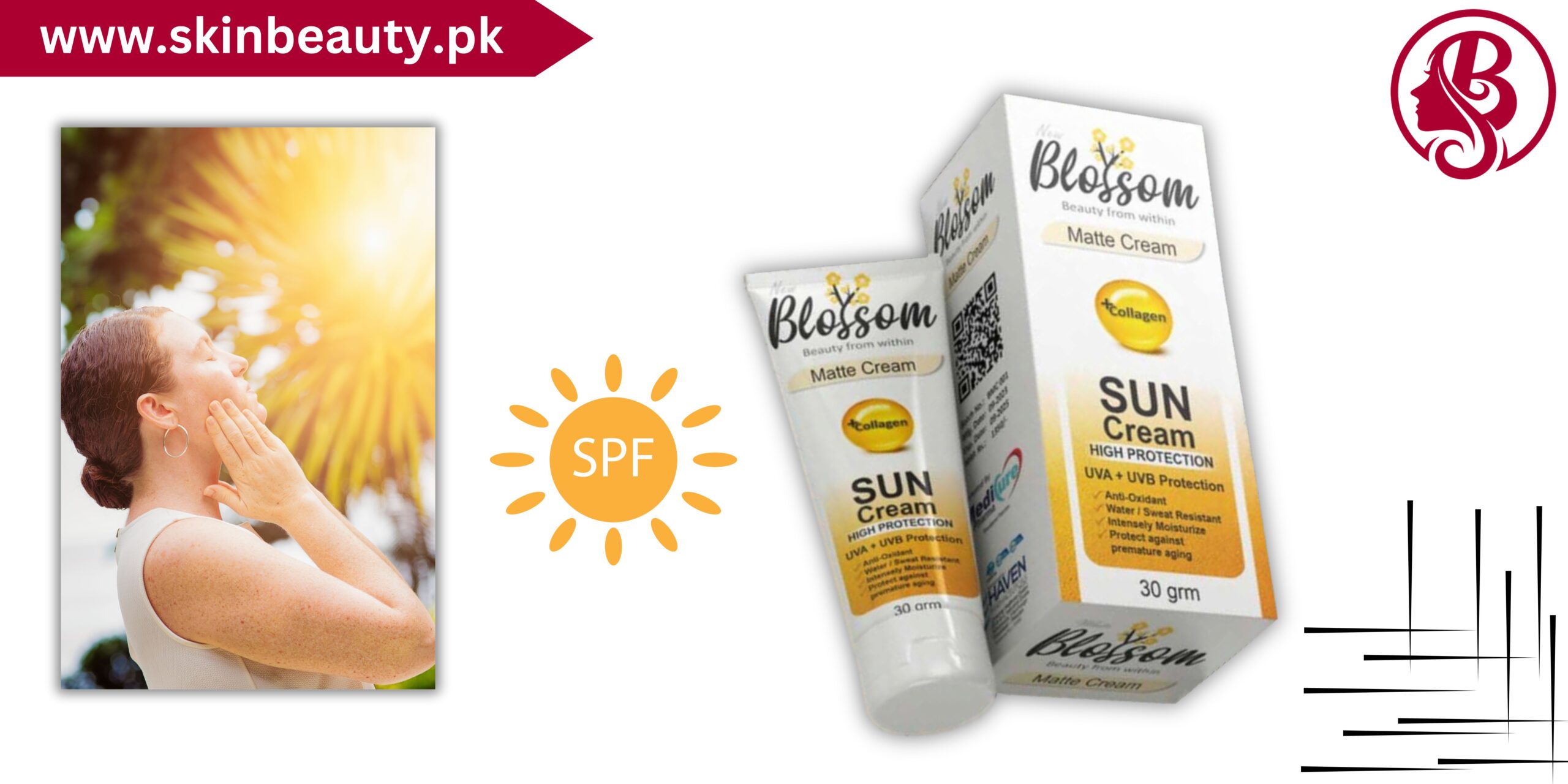
The Role of Sunscreen in Anti-Aging Skincare is crucial for Maintaining youthful, glowing skin requires proper skincare. Sunscreen is essential for delaying premature ageing and serves as more than just a barrier against sunburn. Sunlight’s ultraviolet (UV) radiation can seriously harm skin by dissolving collagen and elastin fibers, resulting in drooping, wrinkles, and fine lines. You can successfully reduce these indicators of ageing and preserve the structural integrity of your skin by using sunscreen in your everyday skincare routine.
Choosing the best sunscreen requires an understanding of the science underlying UV protection. Avobenzone, titanium dioxide, and zinc oxide are a few examples of ingredients that offer broad-spectrum defense against UVA and UVB radiation. Selecting a sunscreen with an SPF that is appropriate for your skin type and activities guarantees the best protection possible from UV rays.
Furthermore, reapplication on a frequent basis is essential to preserve efficacy, particularly after swimming or perspiration. Combining sunscreen with other anti-aging products, such as moisturizers and antioxidants, improves your skincare routine and provides a comprehensive approach to healthy, glowing skin. With our comprehensive analysis, you can stay informed, stay safe, and reap the long-term advantages of healthy, age-defying skin.

How UV Rays Contribute to Skin Aging:
Sunlight’s ultraviolet (UV) rays have a significant role in the Role of Sunscreen in Anti-Aging Skincare, the ageing process of the skin. UVA and UVB are the two primary forms of UV radiation that affect skin.
UVA Rays: The Deteriorating Causes
With a longer wavelength, UVA rays can reach deeper layers of the skin. The dermis, which contains collagen and elastin fibres, is susceptible to these rays. The proteins collagen and elastin are in charge of preserving the suppleness and structure of the skin. These vital proteins are harmed by free radicals and oxidative stress produced by UVA radiation penetrating the skin. Wrinkles, sagging skin, and a loss of firmness are prominent indications of ageing that are caused by this damage. UVA rays are a continuous threat to skin since they are present throughout the day and can pass through windows.
UVB Rays: Beyond the Burn
With a shorter wavelength, UVB rays mostly damage the epidermis, the skin’s outermost layer. Sunburns are a quick and obvious indicator of skin damage and are brought on by these rays. Frequent exposure to UVB rays damages skin cells’ DNA, which can cause mutations that can lead to skin cancer. Regarding ageing, UVB rays intensify the degradation of collagen and elastin, resulting in outcomes akin to those of UVA exposure: wrinkles, fine lines, and irregular skin tone.
The Combined Impact of UV Radiation
When UVA and UVB rays are repeatedly exposed, the harm they cause accumulates over time. Comparing this cumulative effect to natural ageing, the skin ages far more quickly. Increased wrinkles, hyperpigmentation (age spots or sunspots), rough texture, and a shift in skin tone are all indicators of photoaging.

The Science Behind UV Protection:
Based on wavelength, ultraviolet (UV) radiation from the sun is divided into two primary categories: UVA and UVB. The effects of these two kinds of UV radiation on skin are notable but different:
UVA Radiation:
- Wavelength: The longer wavelength of UVA radiation is between 320 and 400 nanometers.
- Penetration: The dermis, the layer containing collagen and elastin fibers, is reached by these rays as they travel deeper into the skin.
- Impact: Photoaging is mostly caused by UVA radiation. They cause oxidative stress and free radical damage to collagen and elastin, which results in wrinkles, sagging, and a loss of firmness in the skin.
UVB Radiation:
- Wavelength: The shorter wavelength of UVB radiation is between 290 and 320 nanometers.
- Penetration: The epidermis, the skin’s outermost layer, is impacted by these rays.
- Impact: Sunburn is mostly caused by UVB radiation. They may directly harm skin cells’ DNA, raising the possibility of developing skin cancer.
Wide-Spectrum Defense:
- Components: “Broad-spectrum” sunscreens are made of chemicals that block UVA and UVB radiation. Octocrylene, zinc oxide, titanium dioxide, and avobenzone are typical components.
- Function: As physical blockers, zinc oxide and titanium dioxide divert and reflect ultraviolet light away from the skin. UV rays are absorbed by avobenzone and other chemical blockers, which then transform them into innocuous heat to save the skin from being damaged.
Sun Protection Factor, or SPF:
- UVB Protection: Sunburn and direct DNA damage are caused by UVB rays, which are the main source of protection indicated by the SPF value.
- Choosing SPF: SPF values with higher numbers offer better protection, but if you want to be adequately protected from UVB rays, you must choose a sunscreen with at least SPF 30.

Choosing the Right Sunscreen for Anti-Aging:
It’s critical to comprehend important elements and SPF levels while choosing the ideal sunscreen for your anti-aging skincare regimen. You may successfully prevent early ageing and preserve youthful, glowing skin by adding the appropriate sunscreen to your everyday routine. This extensive resource will assist you in making well-informed decisions in The Role of Sunscreen in Anti-Aging Skincare:
Essential Ingredients to Search for:
1. Titanium dioxide and zinc oxide:
- Benefits: These mineral-based compounds offer broad-spectrum defense against UVA and UVB radiation.
- How Functioning They Are: As physical blockers, zinc oxide and titanium dioxide create a shield that reflects and disperses UV rays away from the skin’s surface.
2. Octocrylene with Avobenzone:
- Advantages: The additional UVA and UVB protection provided by these chemical filters enhances the effects of the mineral-based components.
- How Operational They Are: UV light is absorbed by avobenzone and octocrylene, which then transform it into heat to stop it from damaging the skin.
3. SPF Boosters and Stabilizers:
- Benefits: Octinoxate and homosalate are two ingredients that improve the stability and efficacy of sunscreen compositions.
- How Operational They Are: In order to provide sufficient protection against UVB rays, SPF boosters raise the sunscreen’s overall sun protection factor (SPF).

Daily Sunscreen Application: Best Practices
For optimal sun protection and anti-aging treatment, sunscreen application and reapplication techniques must be followed. You may optimize the effects of sunscreen and protect your skin from damaging UV rays by adhering to these best practices:
How to Use Sunscreen Correctly
- Begin with a clean face:
- Important: To guarantee optimal absorption and effectiveness of the sunscreen, start with a clean, dry face.
- Step 1: Use a light cleanser to gently clean your skin, then pat it dry before applying sunscreen.
- Apply the Correct Amount:
- Recommendation: Thoroughly coat all exposed skin regions with sunscreen.
- Measure: For the face, aim for around the size of a nickel, and for the body, about the size of a shot glass.
- Use Equidistantly:
- Technique: Massage the sunscreen into your skin in light, circular motions.
- Coverage: Pay close attention to parts of the body that are frequently disregarded, like the hands, feet, ears, and neck.
- Remember Your Lips:
- Protection: To shield your lips from sun damage, use an SPF-containing lip balm or lipstick.
- Reapplication: Frequently reapply lip sunscreen, particularly after consuming food or liquids or after licking your lips.
The Value of Repeat Application

- Continue to Provide Protection:
- Time Frame: Over time, sunscreen becomes less effective, especially when it comes into contact with water, perspiration, and clothing friction.
- Regularity: Reapply sunscreen every two hours or right away following a swim, a sweat session, or towel drying.
- Take the Environment Into Account:
- Sun Exposure: Reapply sunscreen more frequently when exposed to the sun for extended periods of time, even on overcast days.
- Reflective Surfaces: Take notice of how UV rays can boost sun exposure when they reflect off surfaces like water, snow, sand, and concrete.
- Make Use of Easy Formulas:
- Sprays and Powders: For convenient on-the-go reapplication, think about utilising spray or powder sunscreen formulas.
- Stick Sunscreens: Particularly for delicate areas like the face and the area around the eyes, stick sunscreens are handy for touch-ups.
Sunscreen and Skincare Routine Integration:
Sunscreen is a must-have for both anti-aging and effective sun protection in your skincare regimen. You can optimize the health and youthfulness of your skin by creating morning and evening skincare routines and blending sunscreen with other anti-aging treatments. This is how you do it:
Sunscreen in Combination with Other Anti-Aging Items
- Antioxidants
- Apply vitamin C and E-rich antioxidant serums in the morning before using sunscreen.
- Benefits: Antioxidants reduce oxidative stress on the skin and enhance the protective properties of sunscreen by neutralising free radicals produced by UV exposure.
- Creams and lotions:
- Hydration: To protect the skin from the sun and hydrate it during the day, apply a moisturiser with an SPF of at least 15.
- During the night, moisturise your skin with a nourishing night cream or serum to help it heal and regenerate.
- Retinoids:
- Application in the Evening: Use products containing retinoid derivatives in your nighttime skincare regimen.
- Benefits: Retinoids enhance the anti-aging properties of sunscreen by promoting collagen formation, minimizing the appearance of wrinkles, and improving skin texture.
- Scrubbing products:
- Gentle Exfoliation: To encourage cell turnover and reveal smoother, more radiant skin, incorporate alpha hydroxy acids (AHAs) or beta hydroxy acids (BHAs) into your nighttime skincare routine.
- Be careful: Exfoliants can make skin more sensitive to sunlight, which makes using sunscreen during the day even more important.
Morning and Evening Skincare Routines:
Morning Schedule:
- Cleaning: To eliminate impurities and get the skin ready for treatment, use a mild cleanser first thing in the morning.
- Toning: To balance the pH levels of the skin and refine the pores, use a toner.
- Treatment: For daytime protection, apply antioxidant serums and then an SPF moisturizer.
- Sunscreen: After your morning ritual, generously cover all exposed skin regions with a broad-spectrum sunscreen.
Evening Schedule:
- Cleaning: Use a double cleanse to fully rid the skin of pollutants, sunscreen, and makeup.
- Treatment: To address particular skin issues, apply products based on retinoid or other focused therapies.
- Moisturising: To moisturise and heal the skin over night, use a nourishing night cream or serum.
- Eye Cream: To target the sensitive eye area and lessen signs of ageing, apply a specialised eye cream.
Your skin may be protected, nourished, and rejuvenated with a complete regimen that you can build by blending sunscreen with other anti-aging products and incorporating it effortlessly into your morning and evening skincare routines. The secret to getting and keeping healthy, youthful-looking skin for years to come is perseverance and consistency.
The Long-term Benefits of Daily Sunscreen Use:
Applying sunscreen every day is more than simply a skincare ritual—it’s a long-term, effective way to keep your skin looking young and healthy. Here are some ways that regular sun protection can help your skin in the future to ensure The Role of Sunscreen in Anti-Aging Skincare:
- Preventing Untimely Ageing
Using sunscreen every day protects the skin from UV radiation, which can lead to wrinkles, fine lines, and age spots as well as premature ageing. Sunscreen protects the skin’s collagen and elastin fibres from UV rays, preserving the skin’s firmness and elasticity.
- Diminished Hyperpigmentation
Sunscreen works to prevent the skin’s excessive production of melanin, which protects against UV-induced hyperpigmentation, including sunspots and melasma. Regular use of sunscreen can eventually result in more equal skin tone and a decrease in the visibility of pre-existing dark patches.
- Reduced Chance of Skin Cancer:
The chance of getting skin cancer, including melanoma, basal cell carcinoma, and squamous cell carcinoma, is greatly decreased by using sunscreen every day. Sunscreen reduces UV exposure, which guards against DNA damage and the development of malignant skin lesions.
- Preserving Health and Texture of Skin:
The skin’s natural barrier function is harmed by UV radiation, which causes sensitivity, dryness, and inflammation. By shielding the skin from outside aggressors, sunscreen helps to preserve the skin’s moisture balance and general health.
- Improvement of Skincare Outcomes:
Sunscreen enhances the benefits of other skincare products and procedures, including chemical peels, retinoids, and antioxidants. Sunscreen maintains and amplifies the anti-aging effects of these treatments by shielding the skin from UV rays.

Conclusion: Embracing Sunscreen for Youthful Skin
A summary of key points:
Using sunscreen every day has many long-term advantages for your skincare regimen. Sunscreen helps stop wrinkles, fine lines, and age spots by protecting the skin from damaging UV rays. By limiting the overproduction of melanin, it also lessens the chance of hyperpigmentation and promotes more even skin tone. Furthermore, by reducing UV exposure and avoiding DNA damage, everyday usage of sunscreen dramatically lowers the risk of getting skin cancer. Furthermore, by preserving the skin’s moisture balance and shielding it from environmental aggressors, sunscreen maintains the skin’s texture and general health. Sunscreen amplifies theThe Role of Sunscreen in Anti-Aging Skincare and efficacy of other skincare products and treatments.
Recommendation to Wear Sunscreen Every Day:
Considering so many advantages, it is obvious that sunscreen is a necessary part of any successful skincare routine. You may take proactive measures to protect your skin and maintain its youthfulness for years to come by making daily sunscreen use a priority. Making sunscreen a daily ritual should not be negotiable since consistency is important. Make it a practice to slather your skin with sunscreen every morning, come rain or shine, to protect it from the damaging effects of ultraviolet light. You’ll have the assurance that your skin will remain healthy and glowing for the duration of your life by doing this, in addition to preventing premature ageing and skin damage. Thus, make sunscreen your friend from now on to achieve and preserve radiant, young skin.