SUPPLEMENTS FOR MEN

 BEAUTY RANGE
 ENERGY METABOLISM
 HEART & BRAIN HEALTH
 SLIMMING RANGE
 SHAMPOO
 CONDITIONER
 NOURISHMENT
 OIL
OIL SERUM
SERUM



Say Goodbye to Blackheads


Say Goodbye to Blackheads with our in-depth instruction, you may permanently remove blackheads from your life. A major skin worry for many people is blackheads, those little dark patches that can ruin an otherwise perfect face. But do not worry—if you have the correct information and methods, you may successfully get rid of them and get smoother, cleaner skin.
We’ll examine the underlying reasons of blackheads in this post, including excessive oil production, the accumulation of dead skin cells, and the function of bacteria in clogged pores. Knowing these fundamental processes is essential to creating a blackhead-busting plan that works for your skin type and requirements.
We’ll also provide professional advice and tried-and-true techniques for avoiding blackhead formation in the first place. You’ll discover doable methods to reduce the frequency of blackheads and preserve a fresh complexion, from optimal washing methods to the best skincare products.
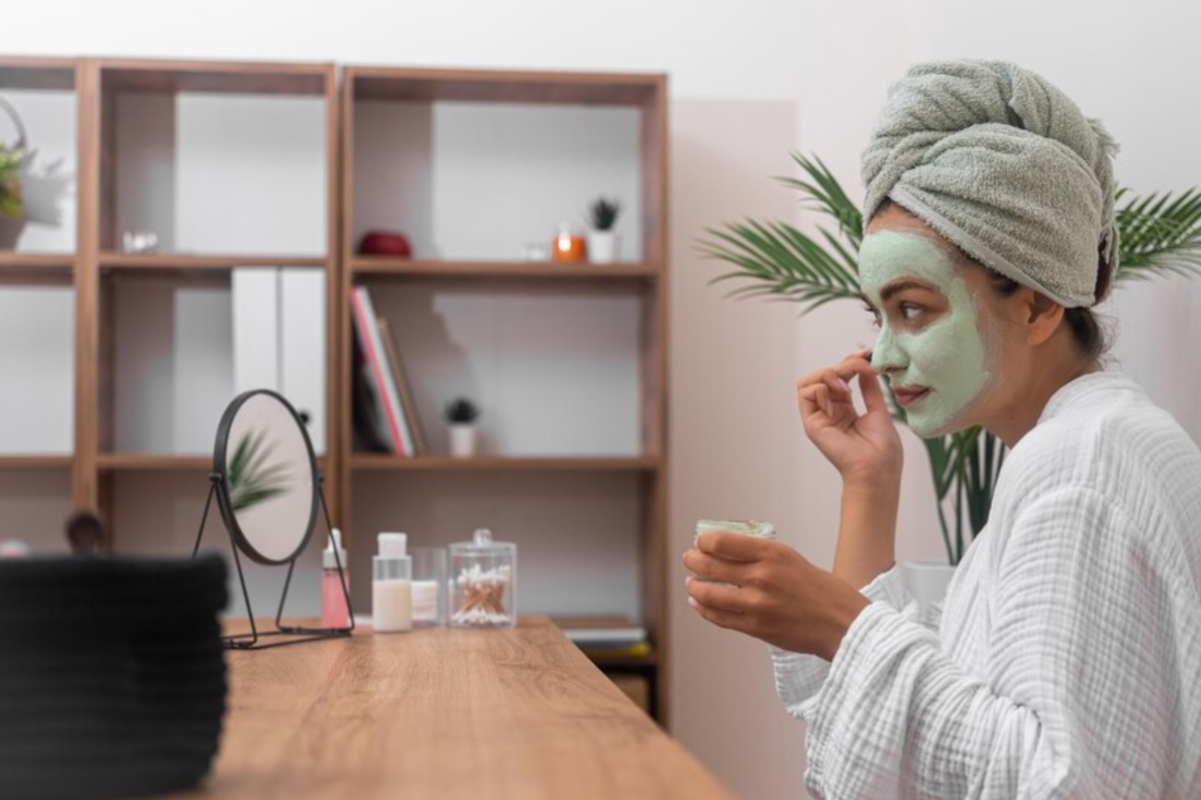
We will also go over other ways to treat blackheads that already present, such as over-the-counter, professional, and do-it-yourself treatments. Whether you’re more interested in pore-cleansing masks, mild exfoliation, or focused spot treatments, we can help you determine the best course of action to get smoother, clearer skin and permanently get rid of blackheads.
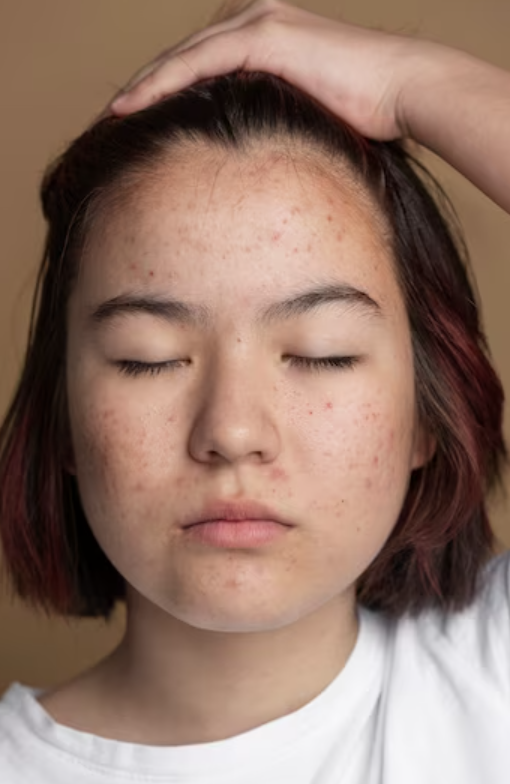
Understanding Blackheads
Open comedones, the official word for blackheads, are a kind of acne lesion that resemble tiny, dark spots on the skin. They appear as a result of microorganisms, dead skin cells, and excess oil (sebum) clogging hair follicles. Blackheads contain an open hole, which allows the trapped material to oxidise when exposed to air, giving them their distinctive dark appearance, in contrast to whiteheads, which have a closed surface.
The main cause of blackhead formation is the sebaceous glands’ excessive sebum production; these glands are found beneath the skin’s surface. Excess sebum can get stuck in the hair follicles and form a clog when it mixes with dead skin cells and other contaminants.
Furthermore, Propionibacterium acnes, or P. acnes, is a type of bacteria that naturally exists on the skin and can aggravate pore blockage and cause irritation.
There are a number of things that can make getting blackheads more likely. Individuals are more prone to blackheads when they experience hormonal swings, especially during puberty, menstruation, or pregnancy, which can trigger the sebaceous glands to generate more oil. Furthermore, some drugs can affect sebum production and pore congestion, including hormonal contraceptives and corticosteroids.
The development of blackheads can also be influenced by environmental variables including pollution and humidity. Elevated humidity levels have the potential to escalate sweat production and exacerbate pore blockages. Additionally, exposure to airborne debris and pollutants can exacerbate skin irritation and promote the buildup of impurities within the pores.
Furthermore, employing harsh or comedogenic (pore-clogging) skincare products might upset the skin’s natural balance and promote the development of blackheads.
The Science Behind Blackheads: How They Develop on Your Skin
People of all ages and skin types are susceptible to blackheads, which are a frequent skin concern. Gaining knowledge about the science underlying their creation can help develop preventative and therapeutic approaches that work.
Fundamentally, blackheads are a comedo, a kind of acne lesion. Comedones arise from an accumulation of germs, oil (sebum), and dead skin cells in the hair follicles. Blackheads are open comedones, which means that the clogged pore is still visible on the skin’s surface, in contrast to whiteheads, which are closed comedones.
The excessive production of sebum by the sebaceous glands is the first step towards the development of blackheads. The greasy material known as sebum aids in protecting and moisturising the skin. On the other hand, excessive sebum production can combine with other debris and dead skin cells to form a blockage inside the hair follicle.
A favourable environment is created for the growth of germs when this block of sebum and dead skin cells builds up inside the pore. These bacteria proliferate after feeding on the trapped oils, which aggravates the follicle’s blockage and causes inflammation.
Contrary to popular belief, the black colour of blackheads is not caused by dirt or filth, but rather by a chemical reaction that takes place when the trapped sebum and skin cells come into contact with air. The melanin in the trapped debris darkens as a result of this event, called oxidation, giving blackheads their characteristic look.
Blackheads can result from a variety of circumstances, including hormonal fluctuations, genetic predispositions, certain drugs, and excessive sebum production in addition to poor skin care. It is vital to comprehend the fundamental processes that lead to the development of blackheads in order to devise focused skincare regimens and treatments that efficiently tackle this prevalent skin issue.
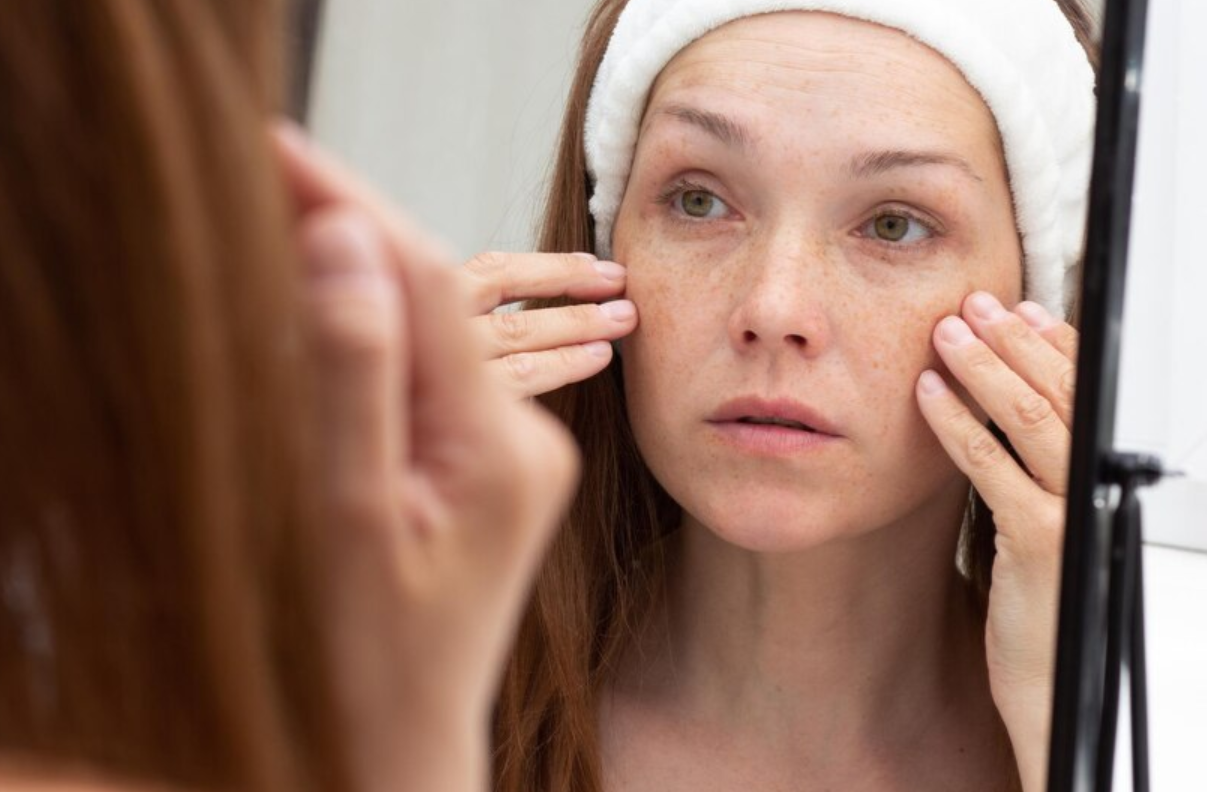
Common Causes of Blackheads: Understanding Why They Form
For many people, blackheads—those tenacious dark patches that can ruin an otherwise flawless complexion—are a common skin concern. Effective prevention and treatment of these conditions require an understanding of the common processes that lead to their genesis.
1. Excess Sebum Production: The overproduction of sebum, the skin’s natural oil, is one of the main causes of blackheads. Excessive production of sebum by the sebaceous glands can combine with debris and dead skin cells to cause clogged pores and blackhead formation.
2. Hormonal Changes: An increase in sebum production may be caused by fluctuations in hormone levels, especially during puberty, menstruation, pregnancy, or menopause. People may be more likely to have blackheads as a result of these hormonal changes, particularly in regions like the chin, nose, and cheeks.
3. Bad Skincare Practices: Inadequate skincare and cleaning regimens can also contribute to the development of blackheads. When sweat, cosmetics, and environmental pollutants are not removed from the skin, debris can build up on the surface of the skin, blocking pores and encouraging the growth of blackheads.
4. Dietary and lifestyle factors: Eating meals heavy in sugar and dairy or following a high-glycemic diet can worsen inflammation and promote the growth of blackheads and Say Goodbye to Blackheads. Blackhead formation can also be exacerbated by other variables such as stress, sleep deprivation, and smoking, which can affect hormone levels and increase sebum production.
5. Genetic Predisposition: An individual’s propensity to develop blackheads may also be influenced by their genetic makeup. Some people are more likely to acquire blackheads than others because they may have naturally bigger pores or produce more sebum owing to hereditary causes.
Through appropriate skincare practices, lifestyle modifications, and focused treatments, people can effectively reduce the occurrence of blackheads and attain healthier, more radiant skin.
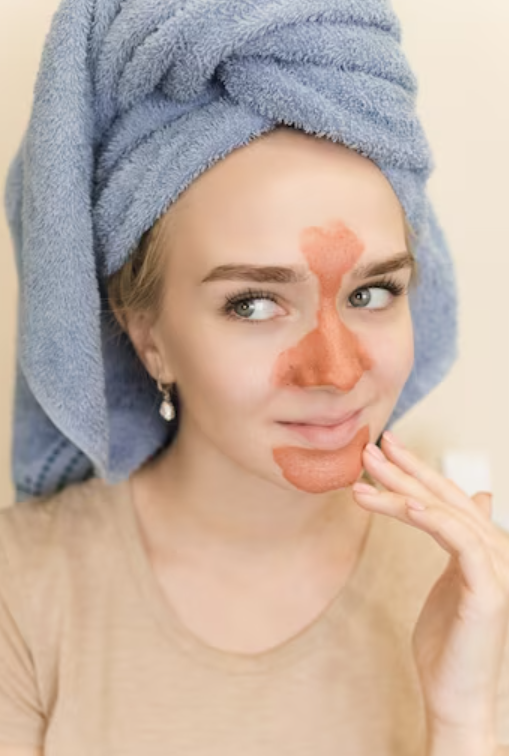
Different Types of Blackheads and Their Characteristics
Say Goodbye to Blackheads by knowing the types of blackheads:
1. Open Comedones: Often called blackheads, they are tiny, dark pimples that show up on the skin’s surface. They develop from an accumulation of germs, dead skin cells, and excess oil in hair follicles.
2. Closed Comedones: These are coloured bumps under the skin’s surface that are white or flesh-colored, in contrast to blackheads. They appear when skin layers cover pores that become clogged with the same dirt.
3. Microcomedones: These are imperceptible to the unaided eye and represent the earliest stage of comedo production. Blackheads and whiteheads gradually appear as a result of microcomedones, which are composed of trapped sebum and dead skin cells inside the hair follicle.
4. Inflammatory Blackheads: Blackheads can occasionally become inflammatory, causing redness, swelling, and soreness in the vicinity of the lesion. Blackheads that are inflammatory may be a sign of underlying acne or skin inflammation.
5. Hormonal Blackheads: Changes in hormones during adolescence, menstruation, or pregnancy can lead to an increase in sebum production and the formation of blackheads. The T-zone, which consists of the forehead, nose, and chin, is one location where these blackheads frequently show up.
People can recognise and efficiently cure blackheads by being aware of the many forms and characteristics of the blemishes. Whether closed or open, blackheads can be reduced in size and appearance and healthier, smoother skin can be encouraged with appropriate skincare practices and early intervention.
Effective Strategies for Avoiding Blackheads
Practical Methods for Say Goodbye to Blackheads. Use these strategies and Say Goodbye to Blackheads for lifetime.
1. Gentle Cleaning: To eliminate extra oil, debris, and pollutants from the skin’s surface, use a mild, non-abrasive cleanser twice a day. Steer clear of vigorous cleaning as this may aggravate skin irritation and the development of blackheads.
2. Use Exfoliation Regularly: To remove dead skin cells and keep them from clogging pores, use exfoliation as part of your skincare routine.
3. Maintain Skin Hydration: To keep your skin’s natural moisture balance, moisturise it on a frequent basis. Seek for moisturisers that are non-comedogenic, oil-free, and won’t clog pores or encourage the development of blackheads.
4. Use Oil-Free Products: To reduce the chance of pore blockage, use skincare and makeup products labelled as oil-free or non-comedogenic. Blackhead formation and excess oil production are less likely to be caused by these items.
5. Refrain from Touching Your Face: To avoid spreading germs, debris, and oil to your skin, keep your hands away from your face.
6. Cleanse Your Skin Right Away After Sweating: Wipe away perspiration, oil, and debris from your skin right away since these can block pores and cause blackheads. For easy and quick cleaning on the fly, try using micellar water or a light cleansing wipe.
7. Shield Your Skin from the Sun: To shield your skin from UV ray damage, apply a broad-spectrum sunscreen on a daily basis. Blackheads can develop as a result of irritation and excessive sebum production brought on by sun exposure.
8. Steer clear of Overly Harsh Products: Toners and astringents with alcohol content should be avoided as they might deplete the skin of its natural oils and interfere with its moisture barrier. Select mild, pH-balanced solutions that promote general skin health.
Choosing the Right Skincare Products
Selecting Proper Skincare Items to Say Goodbye to Blackheads:
1. Identify Your Skin Type: Find out if your skin is sensitive, combination, oily, or dry. Select skincare products designed especially for your skin type to meet its particular requirements and shield it from irritations that may exacerbate blackheads.
2. Search for Non-Comedogenic Formulas: Choose skincare products that do not clog pores by looking for the non-comedogenic label. These products work well for all skin types and are less prone to cause blackheads.
3. compounds to Steer Clear of: Steer clear of skincare products that contain mineral oil, heavy oils, or comedogenic compounds like coconut oil and lanolin, as they can aggravate blackheads. Rather, search for oil-free, lightweight solutions that won’t clog pores.
4. Essential Components to Prevent Blackheads: Look for skincare products that contain retinoids, glycolic acid, benzoyl peroxide, or salicylic acid.
5. Patch Test New Products: To ensure there are no negative reactions or skin sensitivity, patch test new skincare products on a tiny section of your skin before using them on your complete face. This lessens the chance of discomfort and outbreaks.
6. Take Into Account Your Routine: Assess your present skincare regimen and identify any products that might be causing the formation of blackheads. Make your regimen easier by using multipurpose solutions that take care of several issues at once without overtaxing your skin.
7. Sun Protection: To shield your skin from damaging UV rays, remember to use sunscreen as part of your skincare regimen. Pick a broad-spectrum sunscreen with an SPF of at least 30, and remember to reapply frequently—especially if you’re using treatments that exfoliate or treat acne.
DIY Remedies: Natural Solutions for Treating and Preventing Blackheads
Homemade Treatments: Organic Ways to Manage and to Say Goodbye to Blackheads.
1. Baking Soda Scrub: Mix baking soda and water to make a paste. Apply it lightly in circular motions on moist skin to exfoliate and clear clogged pores. After giving everything a good rinse in warm water, pat dry. To avoid blackheads, use this scrub once or twice a week.
2. Honey and Cinnamon Mask: To make a thick paste, combine equal parts honey and cinnamon powder. After applying the mixture to the regions of your face that are prone to blackheads, keep it on for ten to fifteen minutes. To see skin that is cleaner and smoother, rinse with warm water.
3. Muesli and Yoghurt Mask: To make a calming mask, mix cooked muesli with plain yoghurt. After applying the mixture to clean skin, let it sit for ten to fifteen minutes. Rinse with warm water to moisturise and exfoliate the skin gently, preventing the growth of blackheads.
4. Apple Cider Vinegar Toner: Use a 1:3 ratio to dilute raw apple cider vinegar with water. After cleansing, apply the mixture to a cotton pad and gently swipe it over your face.
5. Spot Treatment with Tea Tree Oil: Dilute the oil with a carrier oil, like coconut or jojoba. Using a cotton swab, apply a small amount of the mixture immediately on blackheads. The antimicrobial qualities of tea tree oil assist to lessen inflammation and stop new outbreaks.
6. Steam Facial: Fill a big basin with boiling water from a pot. To capture the steam, place your face over the bowl and cover your head with a cloth. For five to ten minutes, steam your face to open your pores and remove blackheads. Afterwards, gently extract the comedone using clean hands or a comedone extractor tool.
How Diet, Stress, and Sleep Impact Blackhead Formation
1. Diet: Eating a diet high in sweets, processed foods, and dairy products can cause inflammation throughout the body, including skin inflammation. Glycemic index foods, including white bread and sugary snacks, can raise insulin levels, which can cause clogged pores and increased production of sebum. Dairy products also include hormones that have the potential to activate oil glands and exacerbate the production of blackheads. Blackheads can be minimised by incorporating a balanced diet high in fruits, vegetables, whole grains, and lean meats. This will help reduce inflammation and improve skin health.
2. Stress: Prolonged stress can lead to hormonal changes, including a rise in cortisol levels, which can encourage the skin’s production of oil. Increased cortisol levels can also impair the skin’s ability to function as a barrier, leaving it more vulnerable to germs and environmental contaminants that fuel the development to Say Goodbye to Blackheads. Say Goodbye to Blackheads by engaging in stress-reduction practices like yoga, deep breathing exercises, or mindfulness meditation, which can also help lower cortisol levels and improve general skin wellness.
3. Sleep: Insufficient sleep duration or poor quality can interfere with the body’s natural healing processes and harm the condition of the skin. The body creates collagen, heals damaged cells, and balances hormones when we sleep—all vital functions for keeping skin clear and healthy. Chronic sleep deprivation can lead to increased inflammation, decreased skin suppleness, and delayed wound healing, resulting to Say Goodbye to Blackheads.
Prioritising healthy sleep hygiene practices can promote skin regeneration and lower the incidence of blackheads. These practices include developing a regular sleep schedule, a calming nighttime ritual, and optimising the conditions of the sleep environment.