

 SUPPLEMENTS FOR MEN

 BEAUTY RANGE
 ENERGY METABOLISM
 HEART & BRAIN HEALTH
 SLIMMING RANGE
 SHAMPOO
 CONDITIONER
 NOURISHMENT
 OIL
OIL SERUM
SERUM



Sensitive Skin Solutions

Sensitive Skin Solutions are thorough guide to helping people with sensitive skin achieve a healthy and bright complexion. This article explores the complexities of sensitive skin, revealing the secrets underlying its distinct traits and weaknesses. With a greater comprehension of the elements that lead to skin sensitivity, readers will be better equipped to choose their skincare products.
The post offers workable answers in addition to simply addressing the issue. It provides a thorough guidance on selecting the best products for skin that is sensitive, stressing the significance of formulas that are mild and hypoallergenic. Readers will find a well planned daily regimen that includes sun protection, moisturizing, and cleansing advice for sensitive skin types.
Understanding Sensitive Skin: Unveiling the Mystery
Beginning the journey of “Understanding Sensitive Skin: Unveiling the Mystery,” we delve into the complexities of this distinct skin type. By shedding light on the mystery that is sensitive skin, our investigation hopes to help those who are struggling with its subtleties by offering clarity and insight.
Deciphering the Features
First, let’s examine the traits that set sensitive skin apart. This exploration provides a clear explanation, enabling you to understand the elements that influence its sensitivity. We open the door for a simpler skincare philosophy by dissecting these elements.
Recognizing Weaknesses
Next, we’ll discuss the vulnerabilities that sensitive skin carries. This is a critical step in laying the groundwork for individualised treatment. You’ll get a better idea of the triggers that can cause annoyance and discomfort as we expose these weaknesses.
Being Prepared to Make Wise Decisions
Equipped with this understanding, we move on to the following stage, which gives you the ability to make wise decisions. The emphasis turns to workable fixes, stressing how crucial it is to choose gentle, hypoallergenic skincare products. This practical method guarantees that each decision is in line with the particular requirements of delicate skin.
Putting Whole Health Care in Order
As we wrap up our investigation, we lay the foundation for comprehensive care. Developing a complete regimen that nurtures and protects sensitive skin requires more than just knowing how to handle its problems. With this change, a path towards a comfortable, well-balanced skincare routine catered to sensitive skin types begins.

Choosing the Right Products: A Guide to Gentle Skincare
Making the correct product selections is crucial when dealing with sensitive skin. With the help of this advice, you should be able to make well-informed decisions about mild skincare products, which will help to calm sensitive skin.
- Knowing Your Skin’s Requirements and Making Informed Decisions
- Recognise the unique requirements of your delicate skin first. Look for items that have hypoallergenic, mild formulas. Choose sunscreens, moisturisers, and cleansers with soothing components rather than abrasive ones.
- Examining Labels: An Essential Step for Achievement
- Examine labels carefully before adding any products to your skincare regimen. Important terms to look for are “fragrance-free,” “alcohol-free,” and “non-comedogenic.” Comprehending these labels facilitates the avoidance of possible allergies and irritants.
- Patch Testing: Guaranteeing Availability
- Patch testing should be used to carefully introduce new features. Apply a tiny quantity to a private area and keep an eye out for any negative responses. By taking a proactive stance, you may filter out possible allergens prior to integrating a product into your regular regimen.
- The Significance of Maintaining a Dependable Schedule
- Create a reliable skincare routine when you’ve chosen the right products. Applying products consistently enables your skin to adjust and react favorably. As you work to restore your sensitive complexion to a healthier, more resilient state, keep in mind that patience is essential.

Daily Routine for Delicate Complexions: Nurturing Your Skin
- Create a Morning Routine: Use a mild, fragrance-free cleanser first thing in the morning to get rid of dirt without removing natural oils. To prepare the skin for hydration, use a toner that is alcohol-free and calming to help restore the pH balance of the skin.
- Use a Lightweight Moisturizer to Hydrate: Accept a hypoallergenic, light moisturizer with soothing components like aloe vera or chamomile. This keeps vital moisture in place without overdoing it on sensitive skin. Remember to wear sunscreen during the day. Use a broad-spectrum product with a high SPF and apply it liberally to protect yourself from UV radiation.
- Primitives for Daytime Skincare: During the day, give priority to using a broad-spectrum sunscreen to protect your delicate skin from potential harm.
- Silent Evening Schedule: Finish up the day with a comprehensive but gentle evening routine. To get rid of makeup and pollutants, use micellar water or a gentle washing oil. To refresh your skin while you sleep, use a night cream that is non-irritating and moisturising.
- You can take care of your sensitive skin and guarantee that it feels comfortable and soothed by adding these easy actions into your regular regimen.
Ingredients to Embrace and Avoid: Crafting a Sensitive Skin-Friendly Regimen
Managing Sensitive Skincare: Making Informed Ingredient Selections
Choosing elements for a sensitive skin routine that nourish rather than irritate requires careful consideration. Adopting calming ingredients like hyaluronic acid, aloe vera, and chamomile can offer a gentle touch to sensitive skin. These components are well known for their relaxing qualities; they provide hydration without making you uncomfortable or red.
Avoiding Irritants: Essential Ingredients to Stay Away from
Being mindful of components that can cause sensitivity is equally crucial. For people with sensitive skin, harsh chemicals such as parabens, sulphates, and synthetic perfumes might make their skin problems worse. People can create a skincare routine that supports a balanced and healthy skin barrier by avoiding certain irritants. People who are aware of ingredient lists are better able to make educated decisions and make skincare products that complement rather than contradict their sensitive skin.
Lifestyle Adjustments for Sensitive Skin: Beyond Skincare Products
Beyond skincare products, Sensitive Skin Solutions emphasises the critical role that lifestyle modifications have in nourishing fragile complexions. For those who have sensitive skin, consciously altering daily routines can reduce triggers and improve general skin health.
Dietary Balance for Skin Harmony
Keeping a balanced diet full of important minerals and antioxidants is one important lifestyle change. Omega-3 fatty acids, fruits, and vegetables all contribute to the internal health of the skin. Reducing your intake of processed foods and sugars can also help your complexion look calmer and more resilient.
Hydration: The Silent Champion
For those with sensitive skin, maintaining adequate hydration is an easy yet effective lifestyle change. Drinking enough water lowers the risk of discomfort by maintaining skin suppleness and eliminating pollutants. Furthermore, adding moisture to the air using a humidifier helps stop skin dehydration in arid areas.
Mindful Stress Management
Since stress can aggravate skin sensitivities, managing stress is an important part of skincare. Deep breathing exercises, yoga, and meditation are some of the effective ways to lower stress levels and support a more balanced and healthy complexion.
Protective Clothing and Sun Safety
It is possible to protect delicate skin from the elements by donning protective apparel, such as long sleeves and hats. When used in conjunction with a broad-spectrum sunscreen, this provides complete sun protection and helps to avoid UV-induced skin irritation.
People with sensitive skin can create a nurturing atmosphere that supports their skincare efforts and promotes a more resilient and luminous complexion by incorporating these lifestyle improvements into their daily routines.

Environmental Factors: Minimizing Triggers for Sensitivity
The environment has a significant impact on how sensitive fragile skin becomes. Making wise decisions and being aware of one’s environment are crucial for reducing triggers and promoting healthy skin. Extreme temperatures and dry air are examples of harsh weather conditions that can deplete the skin of its natural moisture, making it more sensitive.
Keeping Your Skin Safe: Managing Environmental Risks:
Making the switch from indoor to outdoor settings can often be difficult. Sensitive skin can get irritated by sudden temperature fluctuations and pollutant exposure. As a result, taking precautions like using broad-spectrum sunscreen and dressing appropriately becomes crucial. By taking preventative measures, the likelihood of sensitivity flare-ups is decreased by protecting the skin from outside aggressors.
Conscious Skincare Throughout the Year:
Environmental factors should influence one’s skincare regimen throughout the year. Whether battling winter’s harshness or summer’s heat, skincare regimens should be adjusted to provide a constant barrier against triggers that cause irritation. Through the implementation of these tactics, people with sensitive skin can establish a robust defense against external influences, promoting a more comfortable and healthy complexion.
Dermatologist Tips for Sensitive Skin Success
The secret to negotiating the complexity of sensitive skin is to seek professional assistance. With their specialised knowledge, dermatologists provide vital advice on how to successfully manage and take care of fragile complexions.
Personalized Skincare Regimen for Sensitivity: Dermatologists stress the value of a personalized skincare routine based on each person’s unique skin requirements. They advise against using strong chemicals that can aggravate sensitivity and instead suggest hypoallergenic and fragrance-free products. Gentle cleansers, moisturizers, and specialty treatments can all be included into a regimen that nurtures the skin instead of irritating it.
Patch Testing for Product Safety: Before completing a product’s application, dermatologists recommend patch testing new ones. This preventive measure aids in the identification of possible allergies or irritants, empowering people to make knowledgeable decisions regarding the acceptability of a product. Being cautious while choosing products helps reduce the possibility of negative reactions and preserve the health of the skin.
Consistent Sun Protection: When it comes to skincare, especially for sensitive skin, sun protection is a must. Dermatologists advise using broad-spectrum sunscreen with a minimum SPF of 30, and to apply it frequently and generously. This preventive precaution lowers the risk of sun-induced irritation and preserves the integrity of the skin by shielding delicate skin from damaging UV rays.
Expert Advice for Relentless Concerns: Dermatologist consultations are essential for anyone with recurrent skin issues. Dermatologists are able to determine the underlying causes of skin problems, provide specific treatments, and provide tailored advise according to each patient’s needs. Visiting a dermatologist on a regular basis helps maintain skin health by ensuring that any new disorders or sensitivities are treated right away.
People with sensitive skin can successfully manage their condition over time and keep a robust and healthy complexion by implementing these dermatologist-endorsed suggestions into their skincare routine.
Makeup for Sensitive Skin
Enhancing beauty without sacrificing comfort is the guiding principle of cosmetics for sensitive skin. For those with sensitive skin, selecting the proper products and using the appropriate methods can make a big impact.
- Selecting Hypoallergenic Formulas: The first step to a comfortable and irritation-free beauty regimen is to choose cosmetics products that are especially developed for sensitive skin. Hypoallergenic formulations are perfect for people who are sensitive since they reduce the possibility of negative responses. To further guarantee compatibility, look for labels that detail fragrance-free and non-comedogenic qualities.
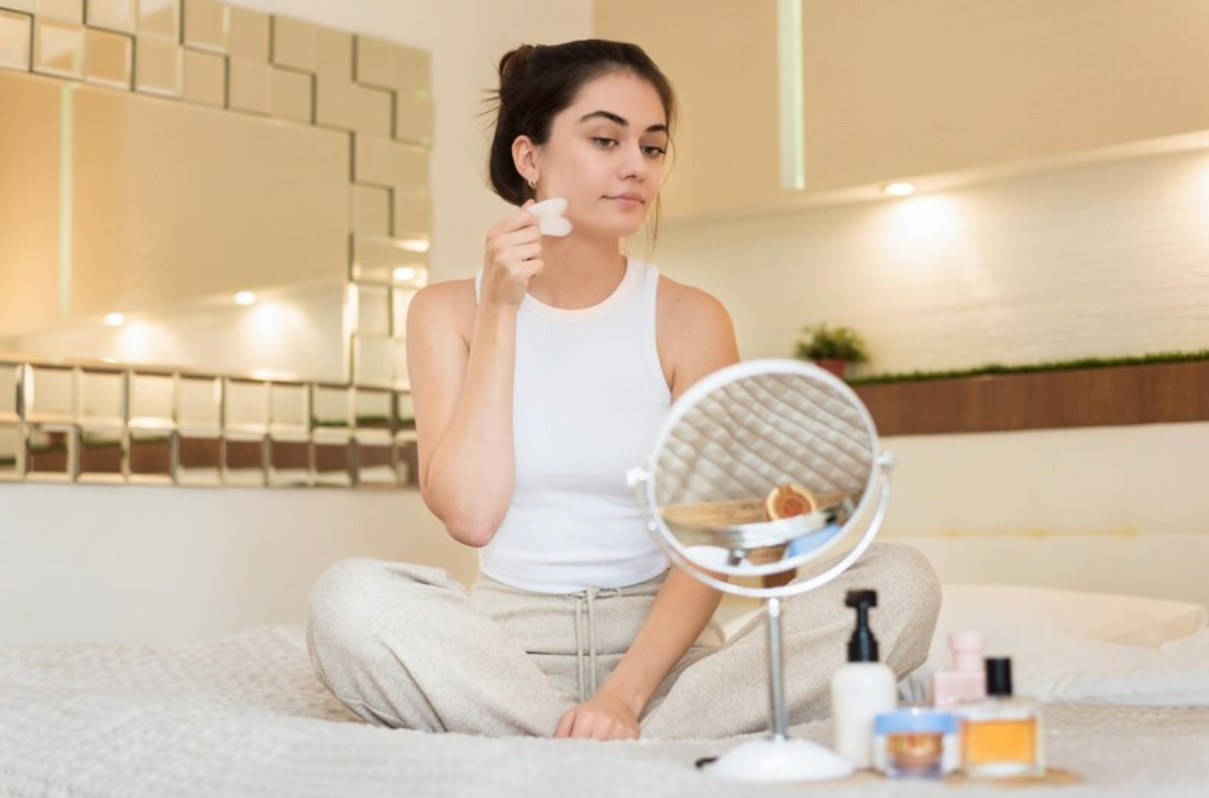
- Careful Application Techniques: Applying makeup correctly is important, especially for skin that is sensitive. In order to reduce the chance of transferring bacteria onto the skin, always use clean brushes and sponges. Another way to lessen irritation is to pat goods into the skin gently as opposed to rubbing them in. Additionally, since applying with your fingertips provides for better control and a softer touch, think about doing so.
- Wise Removal Techniques: Applying and taking off makeup correctly are equally crucial. To clean the skin without too irritating it, use micellar water or a mild, fragrance-free makeup remover. When removing anything, be diligent but gentle—abrasive scrubbing might aggravate sensitivity.
- Check Product Labels Frequently: Ingredient lists might conceal sensitivity triggers. Make sure to often read product labels to identify common allergens including alcohol, perfumes, and certain preservatives. Understanding the components of the cosmetics you use gives you the power to choose wisely and according to the needs of your skin.

Natural Remedies and DIY Solutions for Sensitive Skin Solutions

Adopting do-it-yourself (DIY) projects and natural cures provides a healthy way to take care of sensitive skin in the convenience of your own home. You may simply add these easy-to-use yet effective strategies into your skincare routine to give sensitive complexions a soft and nurturing touch.
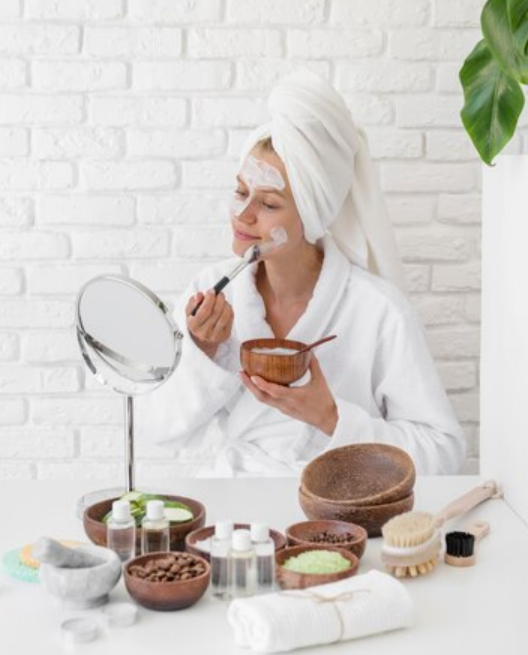
Masks with Soothing Oats and Honey: A mixture of oats and honey produces a mask with soothing properties that can reduce redness and irritation. Honey provides a hint of moisture and oats have anti-inflammatory qualities. Combine these everyday ingredients in a mask, apply it to cleansed face, and let it sit for 15 to 20 minutes before washing it off. For those with delicate skin, this homemade cure might be soothing.
Compresses made of cooling cucumbers: Cucumbers are well-known for being moisturizing and cooling. Cucumber slices sliced thinly could be applied to inflamed skin to relieve puffiness and soothe inflammation. When your skin needs a little pick-me-up, this easy and refreshing DIY remedy is the perfect cure because it works instantly.
Aloe vera: is a natural miracle that soothes delicate skin, and this gel is no exception. Fresh aloe vera leaves are used to extract the gel, which is then applied to the skin. The redness and irritation may be lessened with the use of this mild and moisturising solution. Because of its anti-inflammatory qualities, it is a preferred treatment for a variety of skin issues and provides a safe, healthy substitute for store-bought products.
DIY Lavender or Chamomile Steam: A steam laced with either herb can be an opulent yet easy do-it-yourself remedy. Bring a little amount of dried lavender or chamomile flowers to a boil, cover the water with a towel, and form a steam tent. Give yourself a few minutes to feel the soothing, calming effect of the steam on your face. Pores can be opened by this mild steam, which facilitates a deeper clean without being too strong.




4 thoughts on “Sensitive Skin Solutions”