SUPPLEMENTS FOR MEN

 BEAUTY RANGE
 ENERGY METABOLISM
 HEART & BRAIN HEALTH
 SLIMMING RANGE
 SHAMPOO
 CONDITIONER
 NOURISHMENT
 OIL
OIL SERUM
SERUM



Choosing the Right SPF for Your Skin


Choosing the right SPF for your skin is an important step towards maintaining healthy, protected skin. It can be intimidating to choose from the wide variety of sunscreen options, but you can customize your sun protection to meet your specific needs if you take a deliberate approach. You can confidently manage the process by knowing your skin type, dispelling common fallacies, and comprehending sunscreen labelling. Let’s examine how to choose the ideal SPF and discover the keys to efficient sun protection for resilient, glowing skin.
Understanding Sun Protection Factors (SPF)
Comprehending Sun Protection Factors (SPF) entails dissecting sunscreens, their rankings, and the critical function they fulfil in protecting your skin from damaging UV radiation. Here’s a short list to help you navigate this important skincare component:
Understanding SPF Numbers and Their Relationship to UVB Ray Protection: Gain an understanding of the significance of SPF ratings.
Analysing Your Skin Type: To provide the best possible coverage without triggering negative reactions, customize your SPF selection by taking into account your skin type, which may include oily, dry, sensitive, or a combination of these.
Understanding UV Rays: Recognize how SPF prevents sunburn (UVB) and premature ageing (UVA) and the differences between UVA and UVB rays.
Exploring Sunscreen Formulas: Delve into various sunscreen types like lotions, creams, gels, and sprays. Find a texture that suits your preferences and lifestyle.
Water Resistance: Learn about water-resistant formulas for activities like swimming or intense workouts. Ensure your sunscreen stays effective during water exposure.
Frequency of Application: Discover the importance of reapplication and the recommended frequency. Maintain continuous protection throughout sun exposure by reapplying regularly.
Checking Expiry Dates: Understand sunscreen shelf life and use products within expiration dates. This ensures optimal effectiveness in protecting against UV rays.
Understanding SPF and Makeup: Explore SPF integration into makeup and whether it’s sufficient. Be aware of how makeup SPF contributes to your sun protection routine, addressing potential gaps.
Taking Lifestyle Aspects Into Account: Adjust your SPF choice according to your regular activities, the local environment, and the amount of sun exposure you get. Additionally, considering these factors ensures a tailored approach to sun protection.
Speaking with a Dermatologist: If in doubt, get expert counsel. A dermatologist can offer customized advice depending on the unique requirements of your skin and any disorders that may already be present. Moreover, their professional guidance provides personalized insights for optimal skincare.

The Importance of Sunscreen in Skincare
Stressing the Critical Role: It is impossible to exaggerate the significance of sunscreen in skincare. It protects your skin from damaging UV radiation by functioning as a strong shield.
Essential Protection for Radiant Skin: Sunscreen is essential for preserving healthy, radiant skin, not merely as a cosmetic. It protects against the harmful effects of sun exposure by creating a barrier.
Protecting Against Early Ageing: Moving into the aesthetic sphere, sunscreen is essential for preventing early ageing. It maintains the youthful appearance of your skin by preventing the formation of wrinkles, fine lines, and age spots.
Protecting Against Skin Cancer: Sunscreen serves as an effective barrier against skin cancer, regardless of its aesthetic value. Regular use drastically lowers the chance of getting skin cancers, thus it should be a must in any skincare routine.
Including Sunscreen in Your Daily Routine: Using sunscreen every day is a commitment to long-lasting beauty, not just a habit. You are investing in your skin’s resilience and durability when you make this a non-negotiable step.
Essentially, Choosing the Right SPF for Your Skin is a transforming skincare necessity that keeps your skin healthy, bright, and protected from the sun’s harmful rays. It’s not just a cosmetic decision.

Identifying Your Skin Type for SPF Selection
Determining Your Skin Type to Choose the Correct SPF: Consider your skin type before heading into the sunscreen section. First things first: selecting the best SPF depends on whether your skin is combination, oily, dry, or sensitive.
Making the Transition to Informed judgements: Equipped with this knowledge, you may choose the appropriate SPF with ease and make informed judgements. Customizing your selection to your specific skin type will guarantee the best possible protection and comfort.
Choosing: Choosing the Right SPF for Your Skin Take into consideration your skin type as you make your way through the multitude of sunscreen alternatives. For example, those with oily skin may choose oil-free sunscreens, and people with dry skin may prefer moisturizing sunscreens.
Personalized SPF for Optimal Results: Going from knowing your skin type to personalized SPF requires taking other things into account. Seek out labels that say “suitable for sensitive skin,” making sure the sunscreen you select satisfies any particular needs your skin may have.
To sum up, knowing your skin type is the first step towards choosing an SPF that will best suit your particular requirements and make your sun protection regimen more successful.

Decoding Sunscreen Labels: Key Ingredients to Look For
Dissecting the Formulas: To identify the essential components incorporated into sunscreen formulations, begin by dissecting the labels.
Important UV Blockers: Moving on to the fundamental components of sun protection, note important components like titanium dioxide and zinc oxide, which are known for their potent UV-blocking capabilities.
Antioxidant Infusion: Look for sunscreens that contain antioxidants, such as vitamin C and E, in addition to UV protection. These ingredients counteract free radicals and improve the health of your skin.
Broad-Spectrum Assurance: Verify if the product’s label states that it offers “broad-spectrum protection,” which is an essential step towards total defence since it blocks both UVA and UVB rays.
Water-Resistant Mastery: Make the switch to water-resistant formulas when leading an active lifestyle. For long-lasting protection when engaging in water-related activities, look for compounds like octocrylene and avobenzone.
Fragrance-Free Transition: If you are allergic to scents, switch to products with labels that proudly declare that they are “fragrance-free” or “hypoallergenic,” protecting your skin from possible irritations.
Comprehending SPF Values: As you wrap up your investigation of labels, learn about SPF values and their importance in moving towards sun protection that is beneficial for you.
To put it simply, reading sunscreen labels entails making a deliberate move through the main components to make sure the sunscreen you select offers strong protection and complies with your unique skincare needs.
Sunscreen Application Tips for Maximum Effectiveness
Smooth Transitions: To begin with, make sure all exposed skin is well-sunscreened by liberally and evenly applying sunscreen. This guarantees even coverage for the best possible defence.
Layering Techniques: Use layering strategies, particularly if you’ll be outside for a long time. Every two hours, or more frequently if you swim or perspire a lot, reapply sunscreen.
Facial Focus: Shift the application’s attention on your face, neck, and ears, which are frequently in direct sunlight. For sensitive facial skin, use a different type of sunscreen that offers targeted protection.
Don’t Forget Hands: Moving on to frequently neglected areas, remember to slather your hands in sunscreen. These regions are vulnerable to solar damage and early ageing.
Under Clothes Shielding: Use sunscreen underneath clothes to protect regions exposed to the sun. Complete protection is ensured by this additional layer, particularly if the clothing is translucent or light.
Be Aware of Often Forgotten Areas: Gently shift your focus to areas that are frequently overlooked, such as the back of your neck, the tips of your feet, and the area in your hair. These regions are crucial for general protection since they are vulnerable to sunburn.
Lip Service: Adding SPF-containing lip balm to your regimen is an important shift. This protects your lips from the sun’s harmful rays, avoiding potential sunburn and dryness.
Last Touch: After applying the sunscreen, let it penetrate for a few minutes before clothing. This completes the application. As a result, the substance has more time to solidify and create a stronger UV shield.
In conclusion, applying sunscreen according to these guidelines guarantees a complete and strong defense against the sun’s damaging rays, enhancing the health and longevity of skin.
Choosing the Right SPF for Different Skin Tones
Selecting the Correct SPF for Various Skin Tones is a Complicated Process That Needs Consideration of Personal Requirements. Shifting from a one-size-fits-all strategy, it’s critical to take different skin tones into account for the best possible sun protection.
Realising Diverse requirements: First of all, it’s important to move from ignorance to recognizing that people with different skin tones have diverse requirements. Although melanin, which is present in darker skin tones, offers some natural protection, sunscreen is still necessary.
Customizing SPF Levels: It’s critical to make the switch to customizing SPF levels for different skin tones. While people with darker skin tones can choose slightly lower SPF levels, lighter skin tones may benefit from greater SPF levels. This guarantees the right amount of protection without causing the skin to turn white.
Balancing UV protection is a crucial step in this process. Broad-spectrum sunscreens are designed to protect against UVA and UVB rays while accommodating the various skin tones’ susceptibilities.
Taking Sensitivity Into Account: Those with sensitive skin tones should look for mineral or hypoallergenic sunscreens throughout this shift. These formulas offer dependable protection with less chance of irritation.
Year-Round Commitment: Finishing the procedure necessitates a commitment that lasts all year. Whatever your skin tone, starting a regular sunscreen regimen can provide ongoing defence against the sun’s damaging rays.
Essentially, Choosing the Right SPF for Your Skin for various skin tones is a deliberate shift towards customized sun protection, acknowledging and attending to the particular requirements of every skin type.
The Role of Clothing and Accessories in Sun Protection
The Function of Accessories and Clothes in Sun Protection
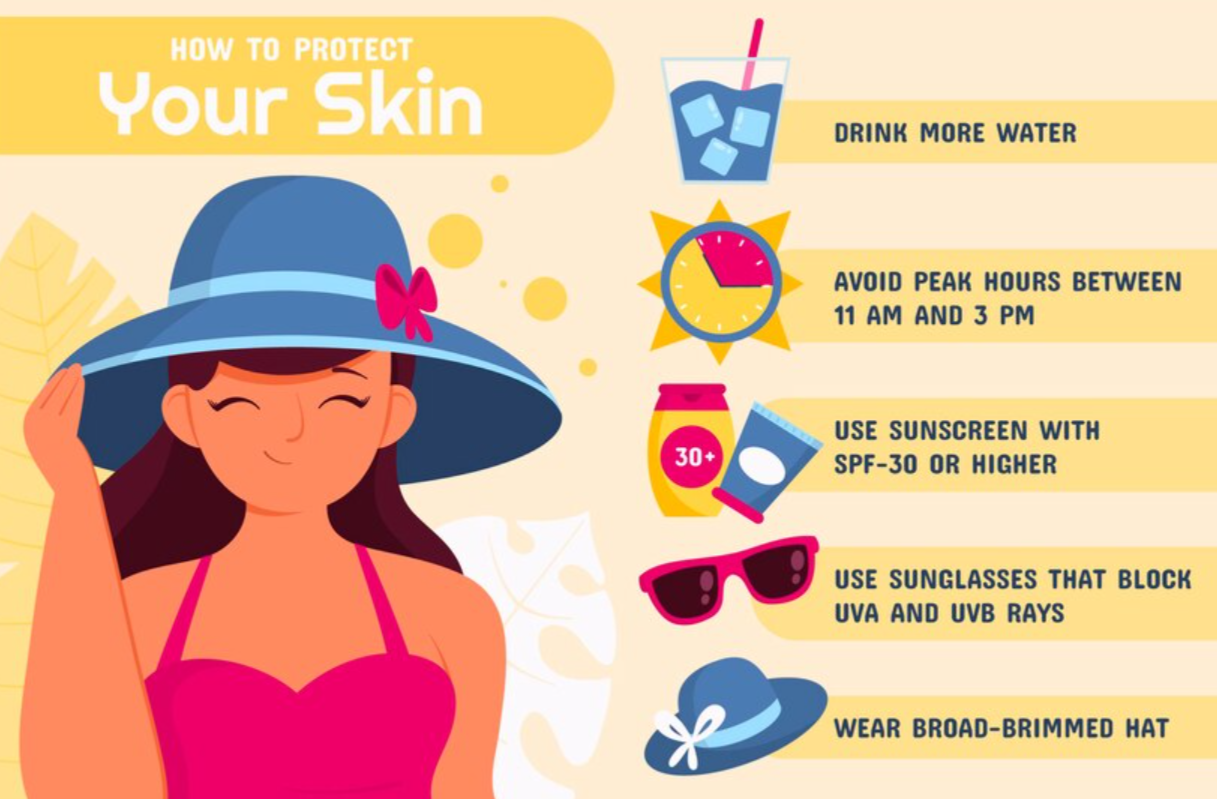
Clothes as a Shield: It is essential to make the shift to seeing clothes as a sun protection layer. Select textiles that are tightly woven and have a UPF (Ultraviolet Protection Factor) of at least one to establish a physical barrier against UV radiation.
Covering Up: Wearing long sleeves, slacks and wide-brimmed hats to conceal exposed flesh is another important adjustment. This minimises exposure to direct sunlight and guarantees complete protection.
Color Selection Is Important:
Moving on to the color spectrum, it’s critical to understand that deeper hues offer greater UV protection than lighter hues. This change in color selection optimizes clothing’s ability to shield damaging rays.
Accessories as Essentials: In the shift to sun protection, accessories are essential. UV-protected sunglasses screen your eyes, while wide-brimmed hats provide extra coverage for your face, neck, and shoulders.
Options for Sun-Protective Clothes: Purchasing sun-protective apparel with integrated UPF protection is a smart move for individuals looking to make an advanced transition. An additional line of protection from UV radiation is offered by this specialised apparel.
Skin Exposure with Caution: Making the shift to conscious skin exposure is essential. Although they are sometimes forgotten, places like the back of the neck, the tops of the hands, and the tops of the feet should all be covered for complete sun protection.
Layering for Intensity: To boost protection without sacrificing comfort during strong sun conditions, switch to lightweight, breathable textiles. This method modifies your UV protection.
In summary, Choosing the Right SPF for Your Skin acknowledging the part accessories and apparel play in sun protection necessitates a deliberate shift to a comprehensive strategy. By adding these components to your regimen, you adopt a look that puts skin health first and strengthen your defenses against the sun’s damaging rays.
Sun-Smart Habits for a Lifetime of Healthy Skin
Sun-Smart Practices for Always Having Healthy Skin
Regular Sunscreen Practices:
Make the switch to wearing sunscreen every day. A fundamental sun-smart behaviour is to apply a broad-spectrum SPF to all exposed skin, even on overcast days.
Shadow-Seeking Instincts: A shift towards the emergence of an innate need to find shade. Incorporating shade, whether from a tree, structure, or umbrella, minimises direct sun exposure when engaging in outdoor activities.
Options for Protective Clothes:
Make wearing protective clothes a habit. This entails donning sunglasses, wide-brimmed hats, and UPF-rated apparel to create a sun-protective outfit for daily activities.
Regular Hydration Breaks: Make the switch to regular hydration breaks, particularly in the sun. Drinking enough water promotes general health as well as the resilience and suppleness of the skin.
attentive Time Management: Practice being attentive of your time when you’re outside. Plan your activities for the early morning or late afternoon to minimise the chance of skin damage from the sun’s peak intensity.
Secure Skin Examinations:
Integrate frequent skin inspections into your routine. Making it a practice to keep an eye on any changes in your skin, including moles and spots, will help to notice possible problems early on.
After-Sun Care Customs:
Include in your regimen the post-sun care practices. In order to minimise any potential harm, this entails calming the skin using moisturising creams or aloe vera after sun exposure.
Educate and Instill Habits: Finally, make the shift to a continuous process of instilling habits and providing education. Spread awareness of sun safety measures so that you and others can make a lifetime commitment to having healthy skin.
Essentially, Choosing the Right SPF for Your Skin making the switch to sun-smart behaviors is a life-changing decision that will lead to eternally healthy skin. Your skin’s long-term health and vitality are enhanced when you incorporate these activities into your everyday routine.